
Lee G. Simmons Conservation and Wildlife Safari: The Complete Visitor Guide
If you’re looking for an unforgettable wildlife adventure in the American Midwest, Lee G. Simmons Conservation and Wildlife Safari should definitely be on your travel list. Located in Ashland, Nebraska, this incredible destination gives visitors the rare chance to drive through expansive natural habitats where North American wildlife roam quite freely. It sounds amazing because, unlike many wildlife parks, you don’t simply walk past animal enclosures. Instead, you explore the park from the comfort of your own vehicle while watching animals live in wide-open spaces that closely resemble their natural homes.
Operated by Omaha’s Henry Doorly Zoo & Aquarium, the park is very well known for its strong commitment to wildlife conservation, education, and providing memorable outdoor experiences for visitors of all ages. Whether you’re visiting with family, friends, or on your own, there’s almost always something fascinating to discover around every turn.
What Is Lee G. Simmons Conservation and Wildlife Safari?
Lee G. Simmons Conservation and Wildlife Safari is a 440-acre wildlife park located in Ashland, Nebraska that is about 30 miles southwest of Omaha. Since opening in 1998, it has become one of Nebraska’s most popular attractions for nature lovers and wildlife enthusiasts.
Rather than walking from one exhibit to another, visitors enjoy a self-guided drive through beautiful grasslands, wetlands, forests, and prairie landscapes where native wildlife lives in spacious habitats. This unique approach creates a much more natural experience for both the animals and the people visiting the park.
The safari combines:
- Wildlife conservation
- Educational programs
- Family recreation
- Scenic landscapes
- Interactive visitor experiences
Where Is the Park Located?
The wildlife park is located at:
Ashland, Nebraska, between Omaha and Lincoln.
Its convenient location makes it an easy day trip from either city. Many visitors combine their safari adventure with other nearby attractions, making it a perfect weekend getaway.
The History Behind the Park
The park is named after Dr. Lee G. Simmons, a respected conservationist and former director of Omaha’s Henry Doorly Zoo. His vision focused on protecting wildlife, supporting scientific research, preserving natural habitats, and educating the public about the importance of conservation.
Today, that vision continues throughout Lee G. Simmons Conservation and Wildlife Safari, making every visit more meaningful than simply seeing animals. Visitors are also supporting efforts that help protect wildlife for future generations.
What Makes This Wildlife Safari Different?
Many people assume that it’s similar to a traditional zoo but the experience is completely different. Instead of viewing animals through glass or behind fences, guests drive through large natural habitats where wildlife moves freely across open landscapes.
This creates a much more immersive experience and allows visitors to observe natural animal behavior in peaceful surroundings.
Some of the park’s biggest highlights include:
- A self-guided drive-through safari
- Spacious wildlife habitats
- Scenic overlooks
- Walking trails
- Educational exhibits
- Family-friendly activities
The Famous Four-Mile Safari Drive
The biggest attraction amongst all at Wildlife Safari is its famous four-mile safari drive. Visitors remain safely inside their vehicles while following a designated route through several different ecosystems. The drive usually takes between two and three hours, depending on wildlife activity as well as how often you stop at the designated viewing areas.
Along the route you’ll travel through:
- Rolling grasslands
- Prairie habitats
- Wetland ecosystems
- Woodland areas
- Scenic lakes
Wildlife You Can See
One of the biggest reasons visitors love Lee G. Simmons Conservation and Wildlife Safari is the variety of North American wildlife that can be seen throughout the park. Depending on the season and time of day, you may spot:
American Bison
The American bison is one of the park’s most impressive animals. Watching these massive creatures roam freely across the prairie provides an authentic glimpse into what North America once looked like centuries ago.
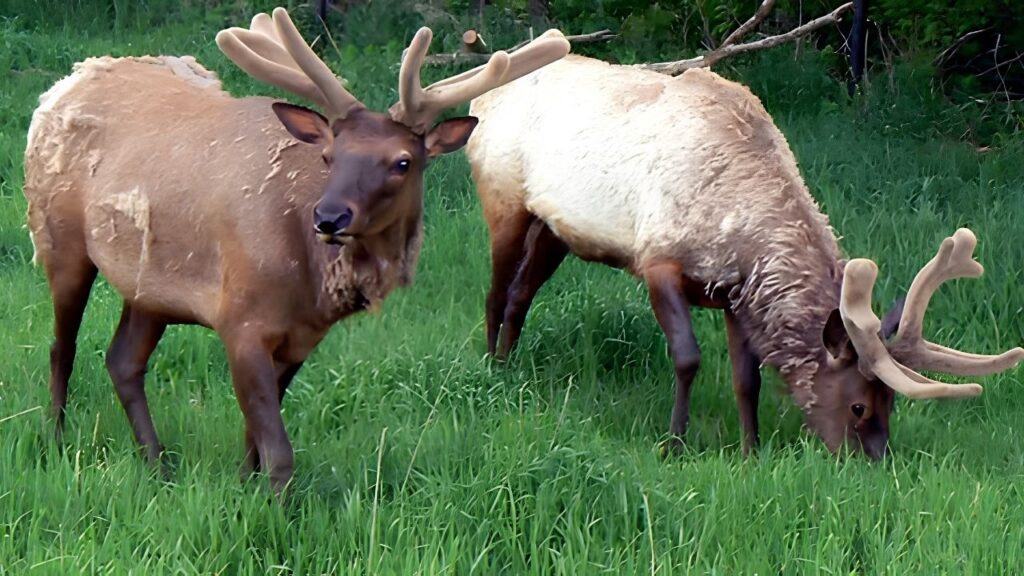
Elk
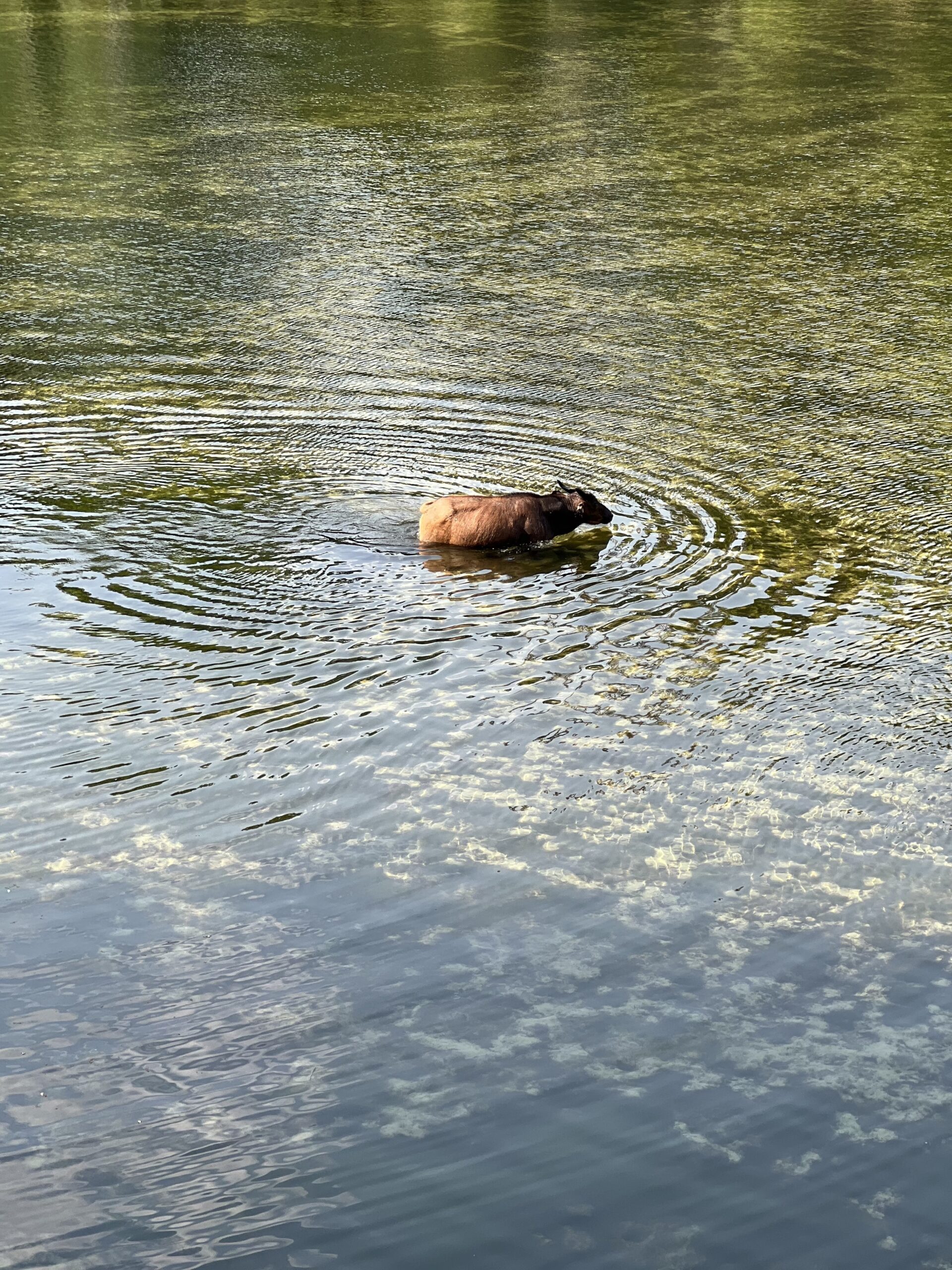
Large herds of elk can often be seen grazing peacefully throughout the park. During the fall breeding season, visitors may also hear the unforgettable bugling calls of male elk, which definitely adds something special to the experience.
White-Tailed Deer
White-tailed deer are among the animals visitors see most often. Their calm nature makes them excellent subjects for wildlife photography.
Wolves
Wolf Canyon is among the top places to visit in the park. It offers the opportunity for all who visit to see wolves and learn about their important role in maintaining healthy ecosystems.
Black Bears
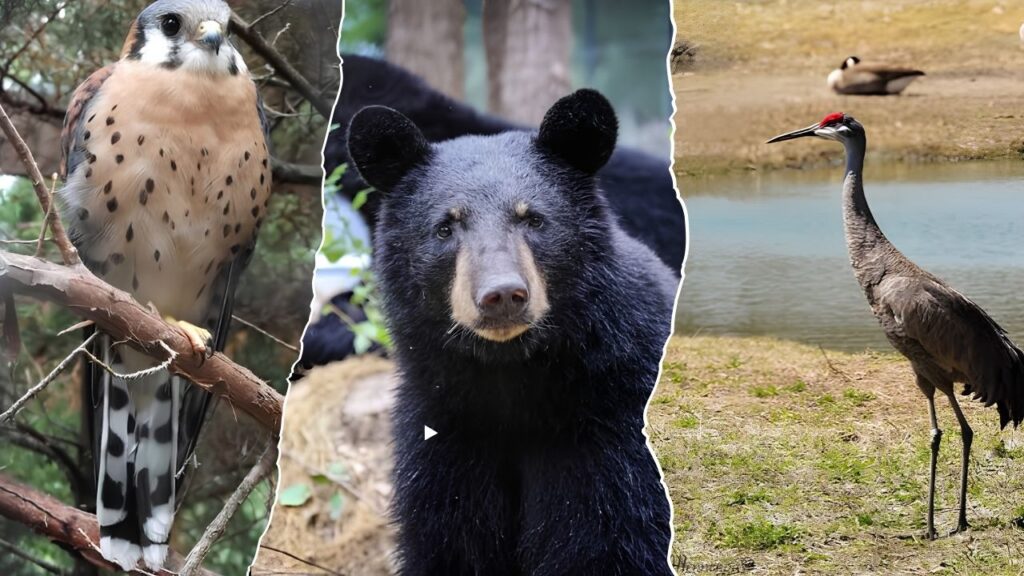
American black bears can also be observed in their natural surroundings according to the season. Similar close-up wildlife encounters at Lee G. Simmons Conservation and Wildlife Safari highlight the beauty of observing animals in spacious, natural habitats. Watching black bears climbing, foraging, or resting offers a truly fascinating experience.
Birds and Wetland Wildlife
Birdwatchers especially enjoy the wetlands, where they may spot:
- Sandhill cranes
- Pelicans
- Eagles
- Waterfowl
- Burrowing owls
Visitor Center Attractions
The adventure doesn’t end after the safari drive.
The Visitor Center offers several attractions that make your visit even more enjoyable, including:
- Wildlife education exhibits
- Interactive displays
- Nature information
- Gift shop
- Family facilities
It’s also the perfect place to learn more about the conservation work taking place both inside the park and through Omaha’s Henry Doorly Zoo & Aquarium.
Conservation Comes First
One thing that truly sets Lee G. Simmons Conservation and Wildlife Safari apart is its dedication to conservation. The park actively supports accredited conservation and breeding programs, including work involving species such as cheetahs and Amur tigers through Omaha’s Henry Doorly Zoo & Aquarium.
Visitors can also enjoy behind-the-scenes educational experiences that explain animal care, conservation science, and habitat protection.
Why Families Love Visiting
Families especially appreciate how easy and relaxing the safari experience is. Children can safely observe wildlife from inside the vehicle while enjoying:
- Nature play areas
- Educational exhibits
- Seasonal family programs
- Outdoor exploration
Best Time to Visit Lee G. Simmons Conservation and Wildlife Safari
Every season offers something different from the other, such as.
Spring
Spring brings blooming landscapes, comfortable temperatures, active wildlife as well as excellent birdwatching opportunities. Many animals become much more active after winter which makes them easier to spot.
Summer
Summer is the busiest season of all because families are traveling during school holidays. Visitors enjoy:
- Longer daylight hours
- Beautiful green scenery
- Full access to attractions
- Family-friendly events
Fall
Many visitors consider autumn the best season. The highlights of this month include:
- Colorful fall foliage
- Comfortable weather
- Elk rutting season
- Beautiful sunsets
- Fewer crowds
Winter
Winter offers a quieter atmosphere and a completely different perspective on the park’s natural beauty. Visitors should always check seasonal operating hours before planning their trip.
Photography Tips
Photography is one of the biggest reasons people visit Lee G. Simmons Conservation and Wildlife Safari.
For the best results:
- Bring a zoom or telephoto lens.
- Clean your vehicle windows beforehand.
- Keep your camera ready.
- Visit during early morning or late afternoon.
- Be patient.
- Never disturb wildlife for a photograph.
Visitor Guidelines
To protect both visitors and wildlife, everyone should follow a few simple rules:
- Stay inside your vehicle during the safari drive unless you’re in a designated area.
- Remain on marked roads.
- Never feed wildlife.
- Follow speed limits.
- Dispose of trash responsibly.
- Supervise children.
- Follow all staff instructions.
Nearby Attractions
If you’re spending a weekend in eastern Nebraska, there are several excellent attractions nearby.
These include:
- Omaha’s Henry Doorly Zoo & Aquarium
- Eugene T. Mahoney State Park
- Strategic Air Command & Aerospace Museum
Combining these attractions with Lee G. Simmons Conservation and Wildlife Safari creates an unforgettable Nebraska road trip.
Planning Your Visit
Before visiting, it’s a good idea to:
- Purchase tickets in advance.
- Check seasonal hours online.
- Fill your vehicle with fuel.
- Bring water and snacks.
- Wear comfortable clothing.
- Charge your camera and phone.
Who Should Visit?
This wildlife park is ideal for:
- Families
- Couples
- Wildlife photographers
- Birdwatchers
- Nature lovers
- School groups
- Road-trip travelers
- Conservation enthusiasts
Whether you’re visiting Nebraska for the first time or you’re a local resident, there’s something here for almost everyone.
Frequently Asked Questions
Q1. Where is Lee G. Simmons Conservation and Wildlife Safari located?
It’s located in Ashland, Nebraska, conveniently situated between Omaha and Lincoln.
Q2. How long does the safari drive take?
Most visitors spend about two to three hours exploring the safari drive and visitor areas.
Q3. Can visitors leave their vehicles?
Visitors should remain inside their vehicles during the drive except in designated areas.
Q4. What animals can I see?
You may encounter American bison, elk, white-tailed deer, gray wolves, black bears, eagles, waterfowl, and many native bird species.
Q5. Is the park suitable for children?
Yes. The drive-through experience makes it safe, comfortable, and enjoyable for children of all ages.
Q6 .When is the best time to visit?
Spring and fall are often considered the best seasons, although every time of year offers a unique experience.