
Lake Télé, Congo
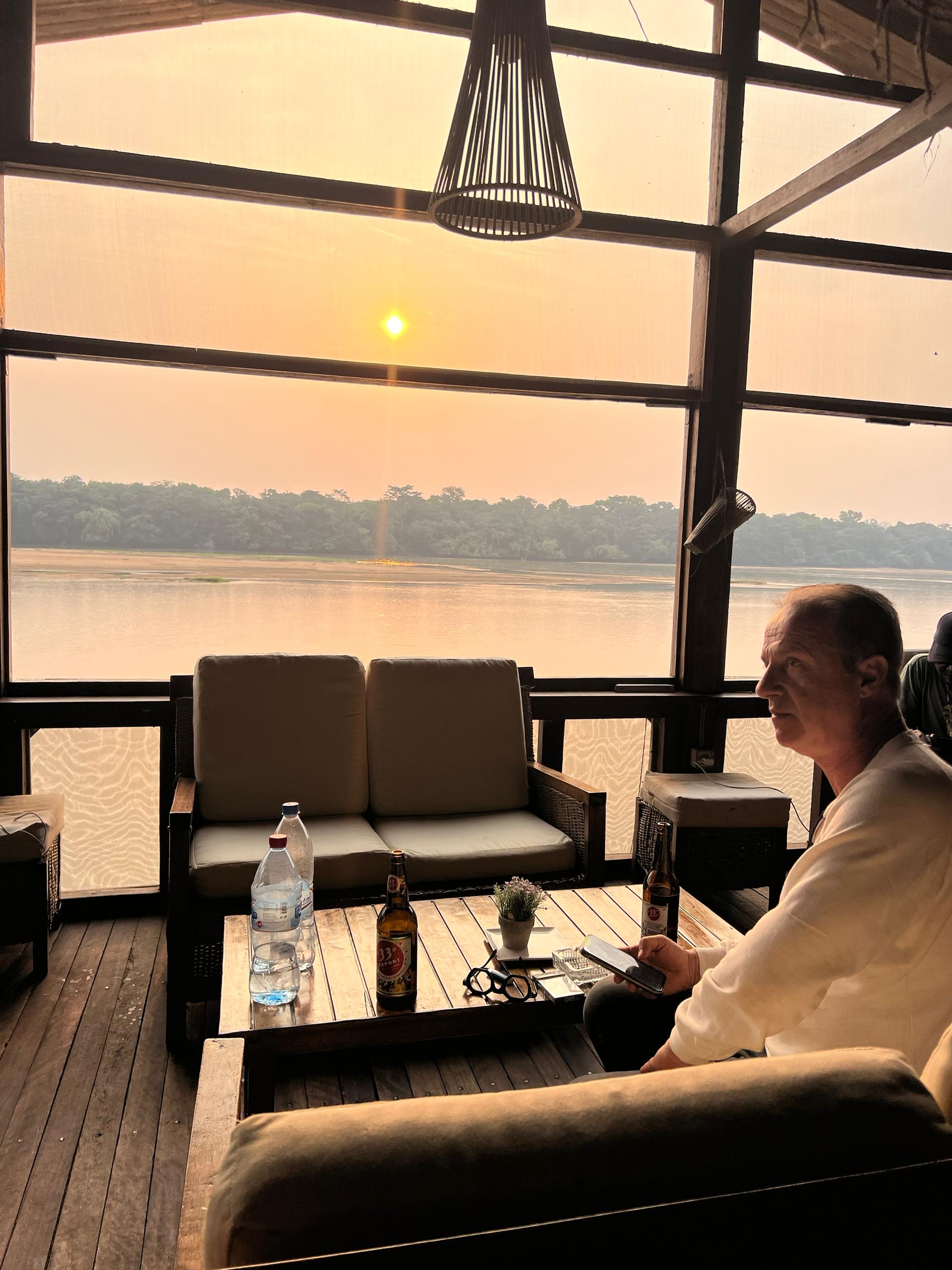
For those who are enchanted by the wild, serene forests and pristine nature, Lake Télé in the Republic of the Congo is a place that is worth learning about. It is far from busy cities, large hotels, and the usual tourist spots, which makes it very different from most travel destinations.
The area is known for its rich natural life, including forest elephants, gorillas, and many kinds of birds. It is also home to local communities whose lives are closely linked to the forest and its waters.
Continue reading to know what makes Lake Télé special, what you may see there, how people live in the area, and what to know before planning a visit.
Where Is Lake Télé?
Lake Télé is located in the northern part of the Republic of the Congo in Central Africa. It lies in a large area of forest and wetland, far away from the main cities of the country.
The lake is part of the wider Congo Basin, one of the most important areas of tropical forests in the world. This huge region spreads across several Central African countries and supports an amazing range of plants and animals.
The area around Lake Télé is remote with thick forests, wet ground, waterways, and small settlements. Roads and transport services are quite limited in many parts of the region, so getting around is not always easy.
This is one of the reasons why the lake has remained less visited than many well-known African travel spots.
Explore the Lake and Its Wetlands
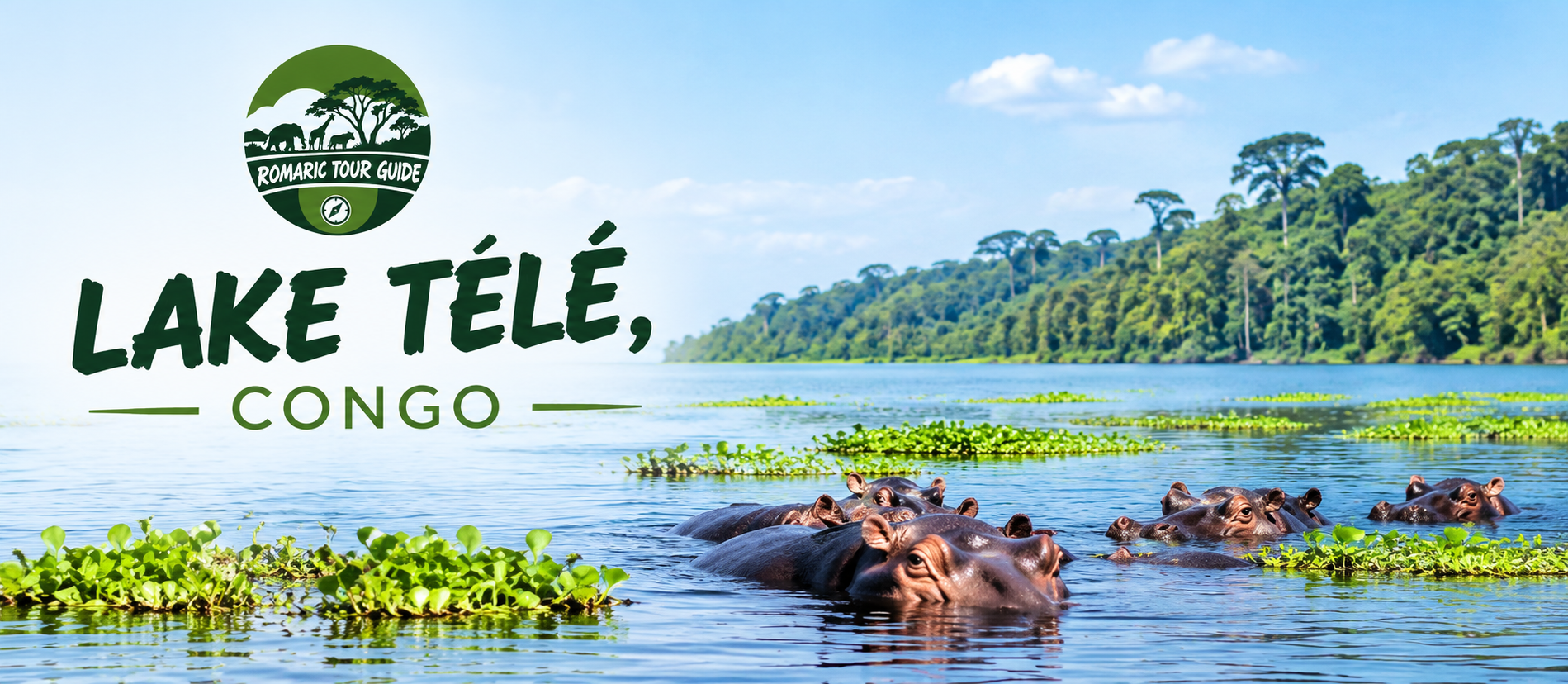
The lake itself is one of the main reasons people are interested in this part of the Congo. Its waters are linked to the wetlands and waterways around it, creating a home for fish, birds, and other wildlife.
The look of the area can change with the seasons. At some times of year, water spreads across low ground and makes travel more difficult. At other times, parts of the landscape may be easier to explore.
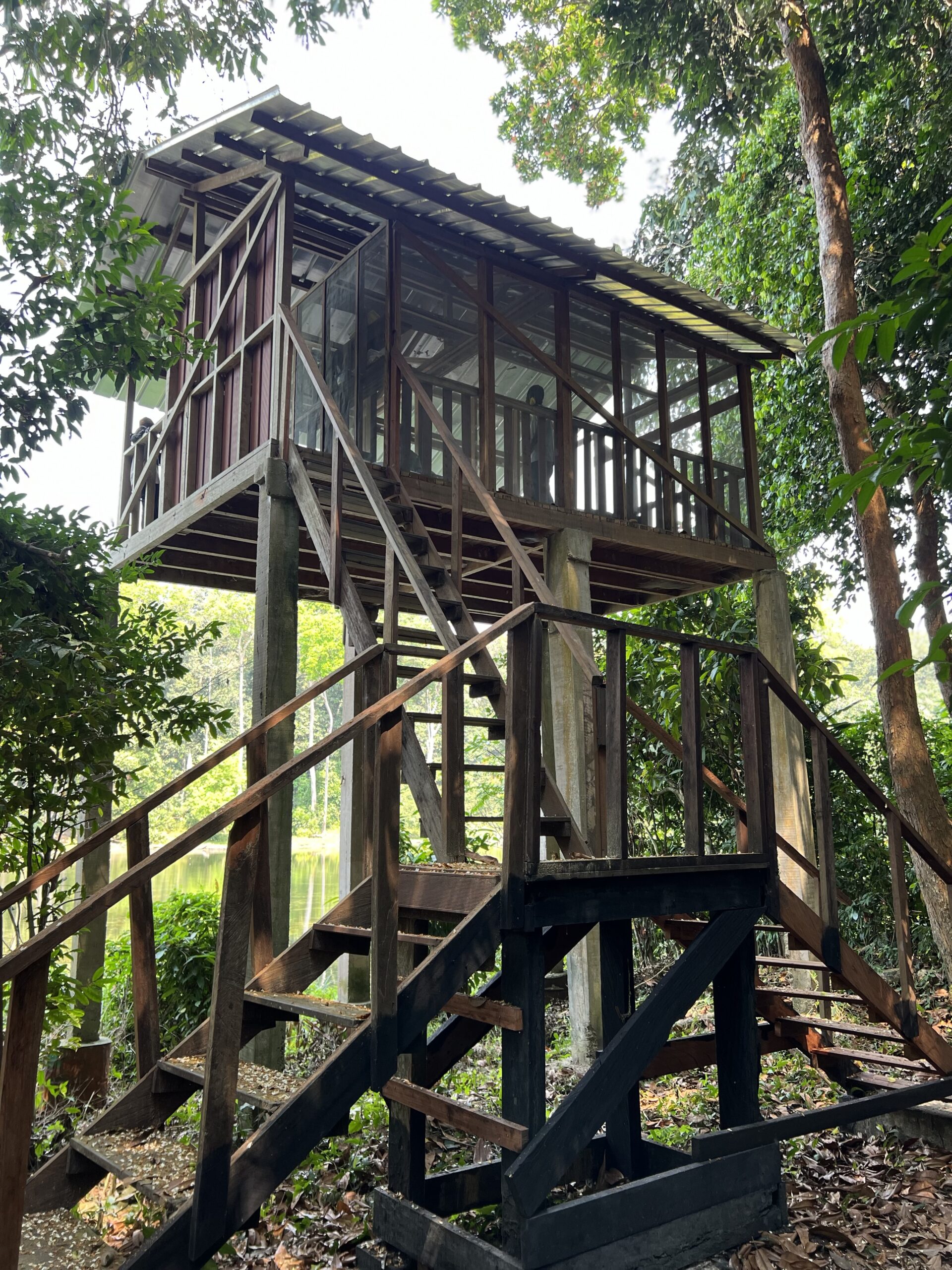
For visitors who can arrange a suitable trip, the lake and nearby waterways offer a chance to experience a part of Central Africa that feels very different from a busy town.
However, it is important to remember that this is not a developed lake resort. Do not expect marked walking paths, boat hire on every shore, or tourist services that are open every day. Any activity on the water should be planned with people who know the area and understand local safety needs.
Look for Wildlife in the Forest
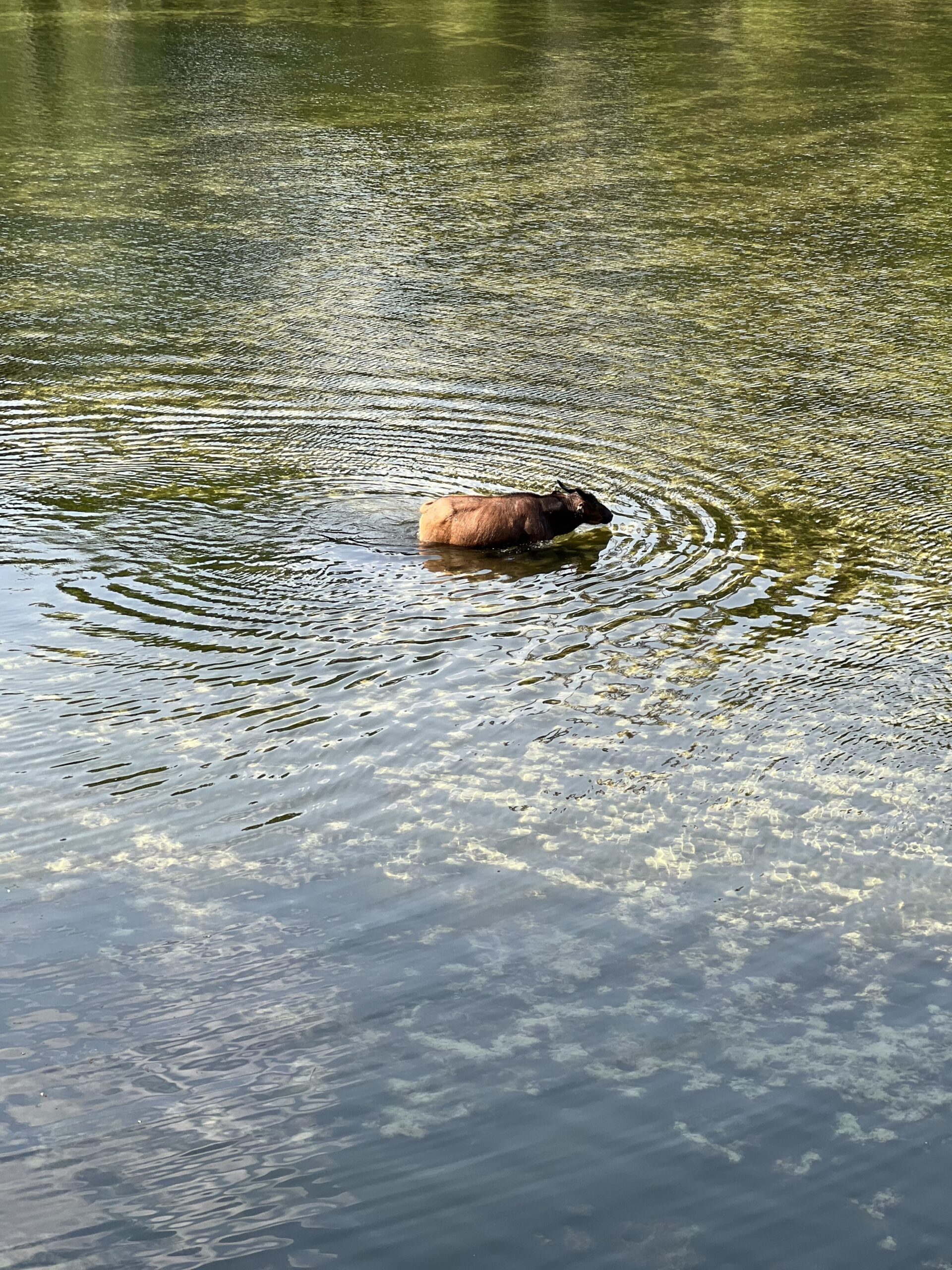
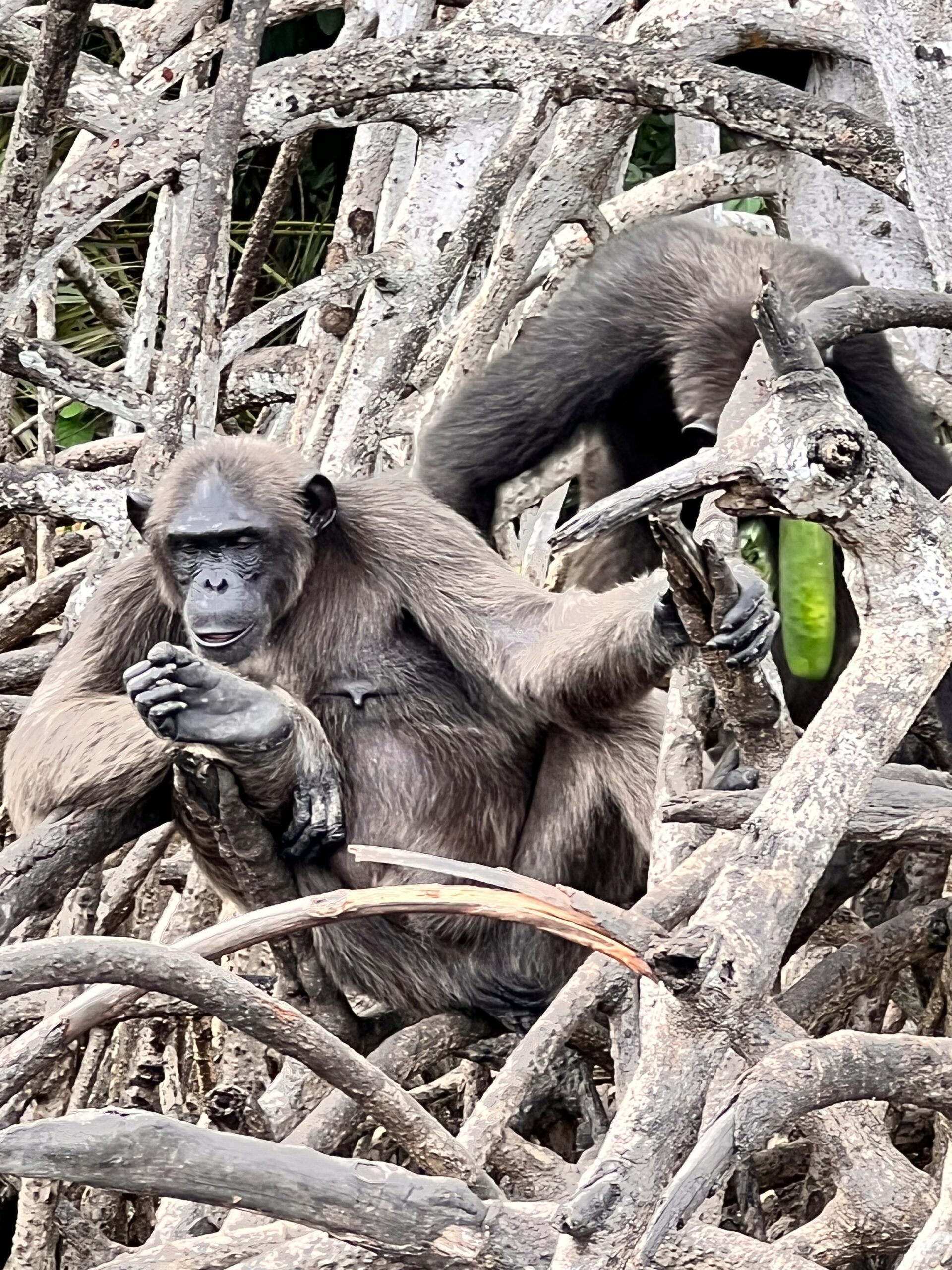
Wildlife is one of the biggest reasons Lake Télé attracts interest from nature lovers and researchers. The wider area is home to forest elephants, western lowland gorillas, and many other animals that depend on healthy forests and wetlands.
Forest elephants
Forest elephants are smaller than the better-known African savanna elephants, though they are still large and powerful animals. They live in the forests of Central and West Africa and help spread seeds as they move through the forest.
Seeing one in the wild is never guaranteed. These animals can be hard to spot in thick forest, and visitors should never try to approach or follow them.
Western lowland gorillas
Western lowland gorillas live in parts of the Congo Basin. They spend much of their time in forest areas, feeding on plants and moving through thick greenery.
The wider Lake Télé landscape is important for wildlife, but that does not mean visitors can easily see gorillas there. Wildlife sightings depend on the location, season, animal movements, and whether guided visits are allowed.
Birds and other wildlife
The wetlands and forests also support many kinds of birds, along with reptiles, fish, insects, and smaller mammals. Even if you do not see a large animal, the natural world around you can still be full of life.
Discover the Lake Télé Community Reserve
The Lake Télé Community Reserve is a protected area that is created to help conserve the region’s forests, wetlands, and wildlife while recognising the role of nearby communities.
A community reserve is of utmost importance because conservation is not only about protecting animals. It also needs to consider the people who actually live in and around the protected area.
Local people have long depended on the forest and water for food, materials, travel, and other parts of daily life. Conservation work needs to take these specific needs into account while helping protect wildlife and natural habitats.
The reserve is also important because it helps protect a wider part of the Congo Basin’s natural environment. Healthy forests store carbon, support wildlife, and help maintain the balance of local water systems.
If you hope to visit, you must check whether access is allowed in the places you want to explore or not. Rules, permits, and available guides can vary, and some areas may be closed or unsuitable for visitors so keep that in mind.
Learn About Local Life and Culture
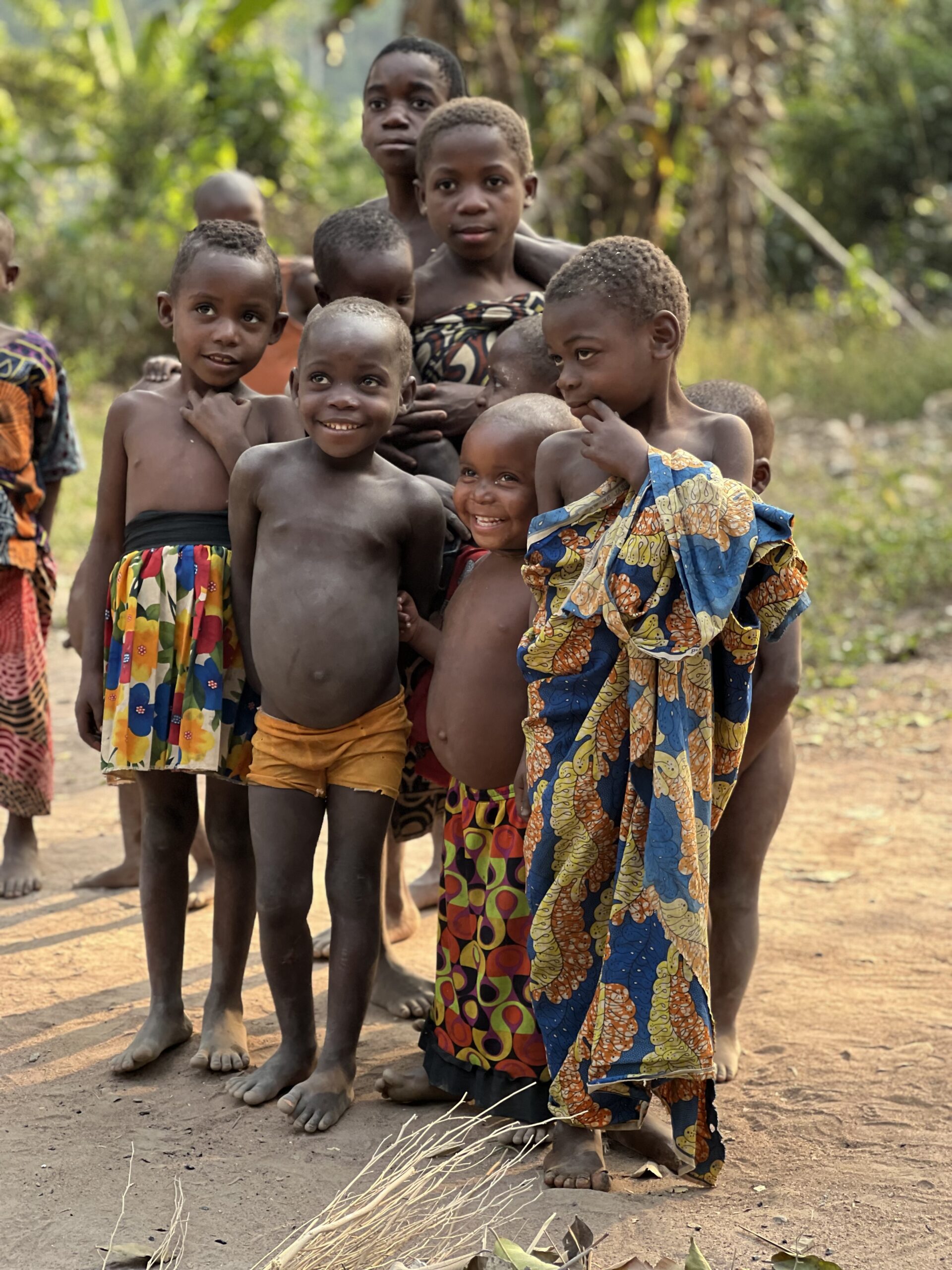
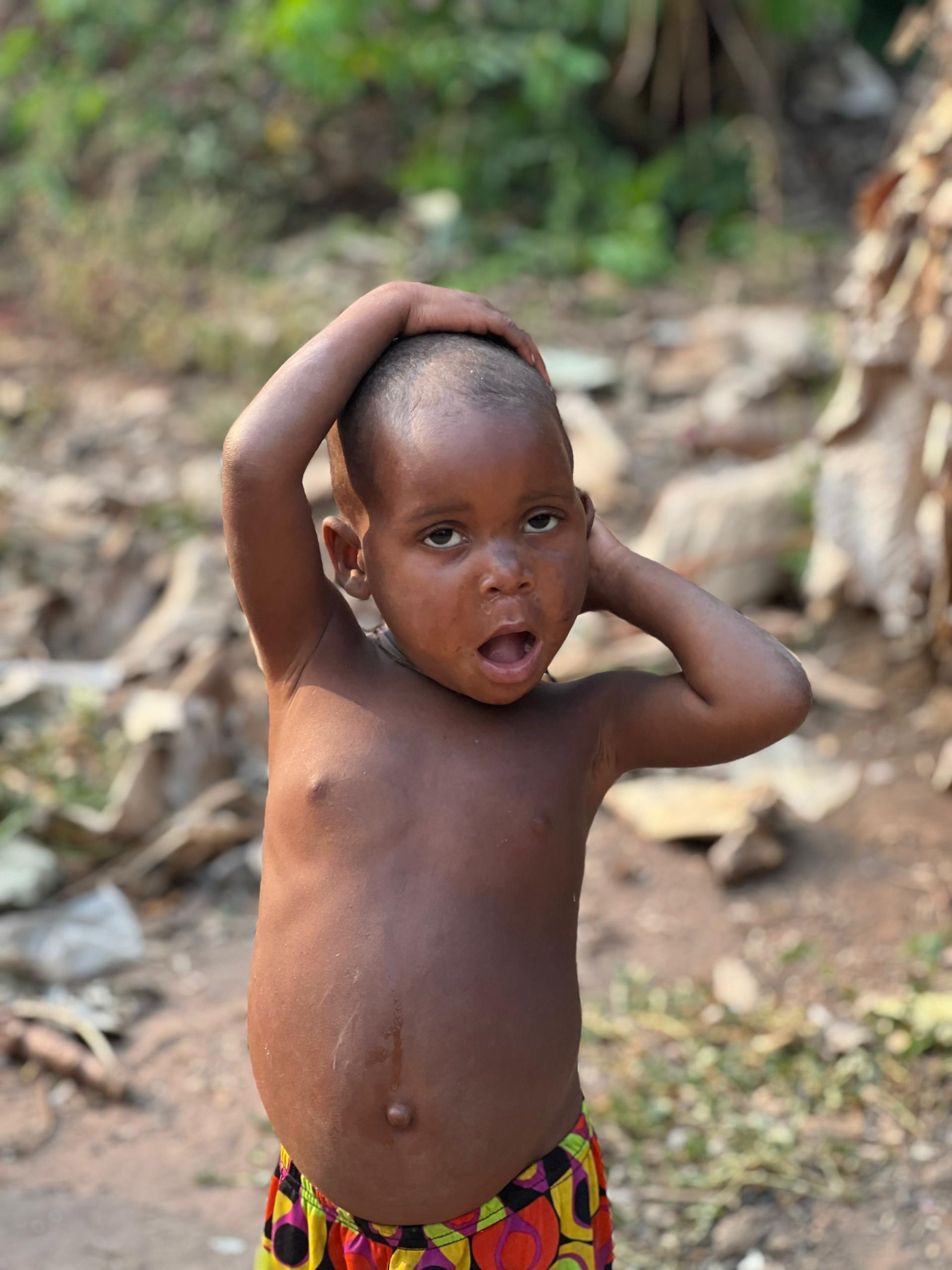
A trip to Lake Télé is not just about the landscape. It is also a chance to learn about the people who live in this part of the Republic of the Congo.
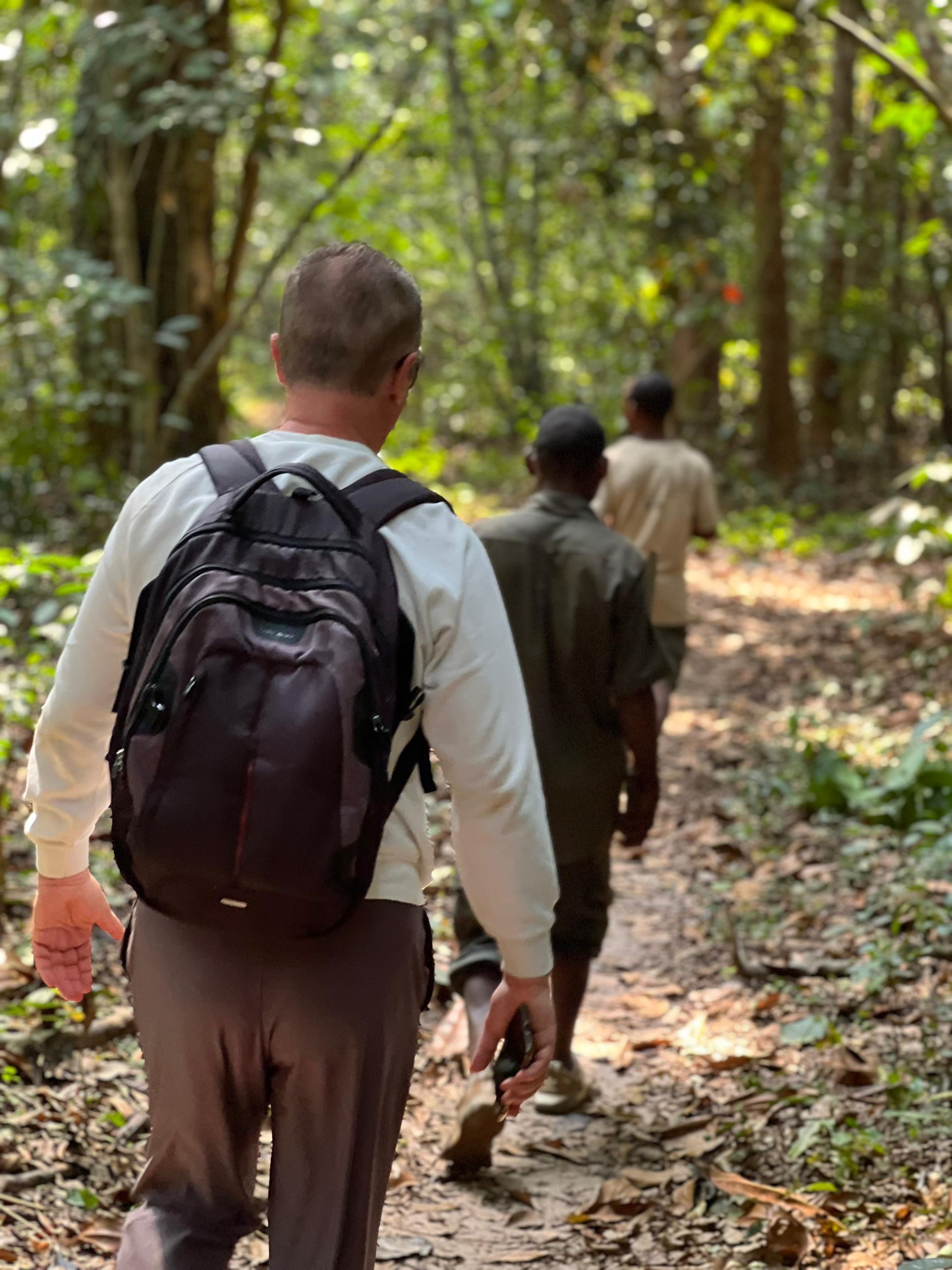
Life in remote forest areas can be very different from the life in a large city. Rivers, forest paths, local knowledge, and seasonal changes may play an important part in how people travel and find food.
Different communities have their own different ways of life, skills, and traditions, so it is best not to assume that everyone in the area lives in the same way.
If you meet local people during a guided visit, take time to listen and learn. Ask before taking photographs, respect local customs, and do not treat people’s homes or daily activities as some kind of tourist shows.
A good visit should benefit the local community as well as give travellers a chance to learn. Where possible, use trusted local guides and services that respect the people who live in the area.
What Is the Best Time to Visit Lake Télé?
The weather is an important thing to think about before you plan a trip to Lake Télé. The area has a tropical climate, which means warm temperatures, high humidity, and plenty of rain during parts of the year.
The rainy season generally runs through much of the year, with changes in rainfall from month to month. Some periods bring heavier rain, while other months are usually drier comparatively. These changes can affect water levels, paths, and travel between settlements.
The drier months may make some journeys easier, but there is no single best time for every visitor. The right time depends on where you want to go, how you plan to travel, and what local guides advise.
Before booking anything, you can check the latest weather information and ask about road conditions, river travel, and access to the reserve. In such a remote place, even a small change in weather can affect your plans.
How to Get to Lake Télé
Getting to Lake Télé takes more planning than visiting a popular tourist city. Many travellers would need to begin their journey in Brazzaville, the capital of the Republic of the Congo, and arrange further travel towards the northern part of the country.
Depending on the route and current conditions, reaching the area may involve road travel, river transport, or a mix of different transport options. Some journeys can be slow, and services may not run every day.
There are also practical things to consider, such as where you will stay, how you will get food and drinking water, and what to do if your journey takes longer than expected.
Do not book your trip based only on a map or assume that a nearby settlement is easy to reach. Speak with a reliable local operator who knows the region and can explain the route, costs, permits, and safety needs.
It is also wise to check current travel advice before setting off.
Where Can You Stay Near Lake Télé?
Accommodation in this remote part of the Congo is limited compared with larger towns and popular travel areas. You should not expect large hotels, luxury resorts, or a wide choice of restaurants near the lake.
Depending on the route and local arrangements, basic guesthouses or other simple places to stay may be available in nearby settlements. Some trips may require visitors to arrange their stay and meals in advance.
Before travelling, ask exactly where you will sleep, whether bedding is provided, how drinking water is supplied, and whether meals are included. You should also find out what happens if bad weather delays your return.
Pack only what you need, but do not forget useful basics such as a torch, insect repellent, suitable clothing, and personal medicines.
Important Travel Tips Before You Go
- Travel with local support: Choose a trusted guide or operator with real knowledge of the area.
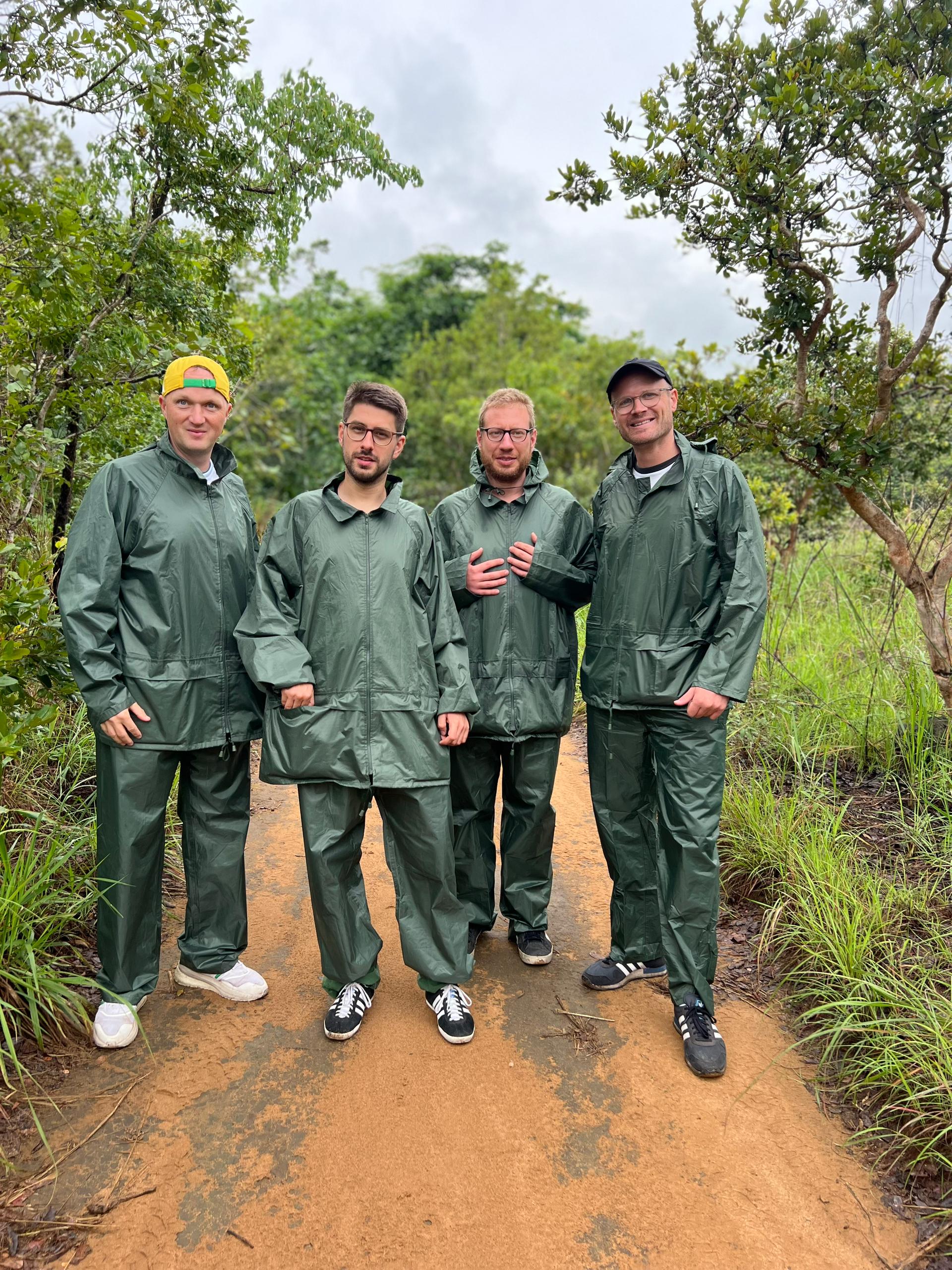
- Pack for rain: A waterproof bag, rain jacket, and shoes suited to wet ground can be very useful.
- Protect yourself from insects: Bring suitable insect repellent and seek medical advice about malaria prevention and other travel health needs.
- Carry safe drinking water: Ask how water will be supplied during the trip, and bring a reliable way to treat water if advised.
- Keep your plans flexible: Rain, changing water levels, and transport problems may cause delays.
- Respect wildlife: Never approach, feed, or try to touch wild animals.
- Respect local communities: Ask permission before taking photos and follow local guidance.
- Check travel documents: Confirm visa rules, passport requirements, and any permits needed for your planned activities.
Frequently Asked Questions
1. Where is Lake Télé located?
Lake Télé is located in the northern part of the Republic of the Congo in Central Africa. It is surrounded by thick forests, wetlands, and small local communities.
2. What is Lake Télé famous for?
Lake Télé is known for its remote wilderness, rich forests, wetlands, and wildlife. The wider area is home to animals such as forest elephants and western lowland gorillas, as well as many kinds of birds.
3. What is the best time to visit Lake Télé?
The best time depends on the weather and local travel conditions. Some months are drier than others, which may make travel easier. It is best to check the weather and speak with a local guide before planning your trip.
4. How can you get to Lake Télé?
You can start your journey in Brazzaville, the capital of the Republic of the Congo, and arrange further travel to the northern part of the country. Reaching the lake may involve road travel, river transport, or both, so planning ahead is important.
5. Can tourists see gorillas at Lake Télé?
The wider Lake Télé area is part of a region where western lowland gorillas live. However, seeing them is not guaranteed, and visitor access may be limited. Travellers should check local rules and arrange any wildlife activities through trusted guides.