

Things to Do in Brazzaville Best Experiences for First Time Visitors
Brazzaville, the capital of the Republic of the Congo, is literally a city full of local life, river views, music, art, and rich history. It sits on the banks of the Congo River, right across from Kinshasa, the capital of the Democratic Republic of the Congo. These two capitals are among the closest national capitals in the world, separated by the river. Travelers who want to explore beyond the capital can also discover the country’s natural landscapes and wildlife through a Republic of the Congo safari guide.
For first-time visitors, Brazzaville offers a chance to enjoy a different side of Central Africa. You can walk through busy streets, visit historic places, learn about local culture, enjoy Congolese food, as well as watch daily life near the river. Though it may not be as well known as some other African travel spots, the city has plenty to offer people who enjoy exploring new places.
Whether you are visiting for a few days or staying longer, there are many ways to make your trip special. Here are the best things to do in Brazzaville for first-time visitors, along with simple travel tips to help you plan your stay.
Enjoy the Views of the Congo River
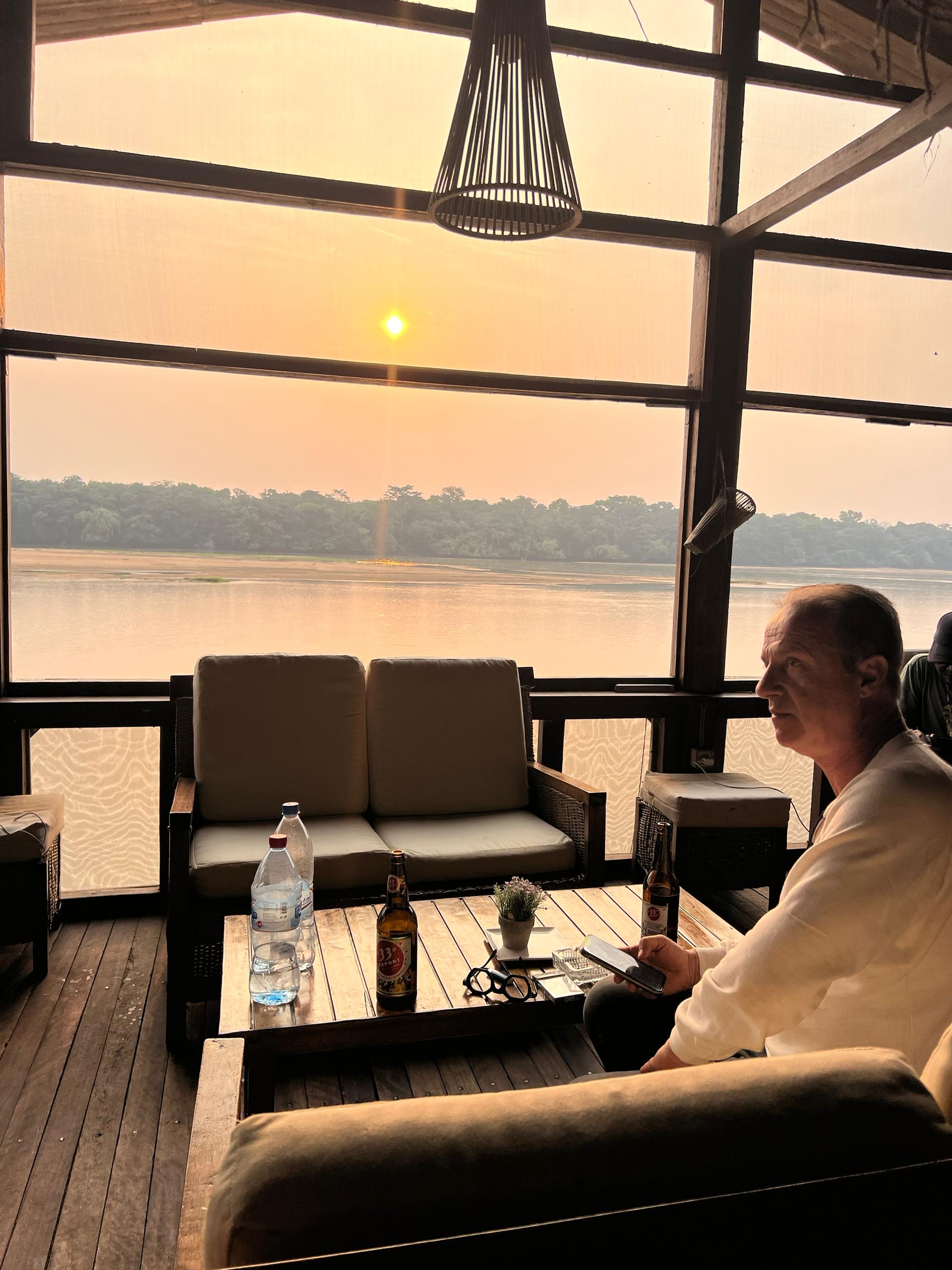
The Congo River is one of the most important natural features of Brazzaville. It gives the city much of its charm and plays a major role in daily life, trade, and travel.
Spend some time near the river to enjoy the wide views, watch boats moving across the water, and see the city from a different angle. The riverfront is also a good place to slow down after a busy day of sightseeing.
The Congo River is especially interesting because Kinshasa lies on the opposite bank. Seeing two large capital cities facing each other across the same river is a special experience.
Best experience: Visit the riverfront in the late afternoon when the light is softer and the weather may be more comfortable. Stay in public areas and follow local advice about safe places to walk.
Visit the Basilique Sainte-Anne du Congo
The Basilique Sainte-Anne du Congo is one of Brazzaville’s best-known landmarks. This striking church stands out because of its green roof, tall design, and large curved arches.
The building is an important part of the city’s religious and architectural history. Its design looks different from many churches visitors may have seen elsewhere, making it worth a stop even for people who are not religious.
Take time to look at the outside details and enjoy the peaceful feeling around the church. If you want to go inside, check whether it is open to visitors and remember to dress respectfully.
Why visit: It is a good place to admire local architecture, take photographs where allowed, and learn more about the city’s Christian heritage.
Explore the Streets and Local Markets
One of the most effective ways to learn about the city of Brazzaville is to discover its everyday streets. The city has busy roads, small shops, food sellers, and markets where all kinds of fresh foods, household items, clothing, and other necessities can be found.
Local markets are a great place to observe what life in Brazzaville is like. You may see colorful fabrics, fresh fruit, vegetables, fish, and goods brought in from different parts of the country.
You can take your time, wander around and enjoy the sights and sounds. If you want to take photographs of sellers or their goods, make sure to ask for permission first.
The markets can be crowded, so be careful with your wallet and phone. It is also a good idea to carry some local currency, the Central African CFA franc for small purchases.
Best experience: Visit with a local guide if you want help understanding the products, speaking with sellers, or finding your way around.
Learn About History at the Pierre Savorgnan de Brazza Memorial
The Pierre Savorgnan de Brazza Memorial is an important site of historical significance in the city. It is closely associated with Pierre Savorgnan de Brazza, an Italian explorer who significantly contributed to French colonial expansion in the region.
The memorial includes a large structure built to hold his remains and offers visitors a chance to learn about the history of Brazzaville as well as the colonial period.
A visit there can provide valuable knowledge about the city and understand how European colonial rule shaped parts of Central Africa. It is worth remembering that this history is complex and includes the effects of colonial power on local people.
Why visit: The memorial combines architecture, history, and a chance to think about the past. It can be especially interesting for visitors who want to understand more than the city’s main sights.
Visit the Poto-Poto School of Painting
Art lovers should consider visiting the Poto-Poto School of Painting, one of Brazzaville’s best-known cultural institutions. It is linked to a long tradition of local painting and artistic training.
The school is known for colorful works that often show people, animals, village scenes, and everyday life. The art can offer a fresh way to see Congolese culture and also the ideas that inspire local artists.
If the school is open to visitors, you may be able to view artwork and learn about the artists and their methods. You might also find paintings or other works available for purchase, depending on what is on display.
Best experience: Take your time looking at the paintings rather than rushing through. Ask questions politely, and check before taking photos or buying artwork.
Spend Time in Local Parks and Green Spaces
Brazzaville is a busy capital that also has green spaces and quieter areas where visitors can take a break from traffic and noise.
A visit to a park or a shaded public space can be a simple but also a very pleasant part of your trip. You can sit for a while, watch people going about their day, or enjoy a short walk.
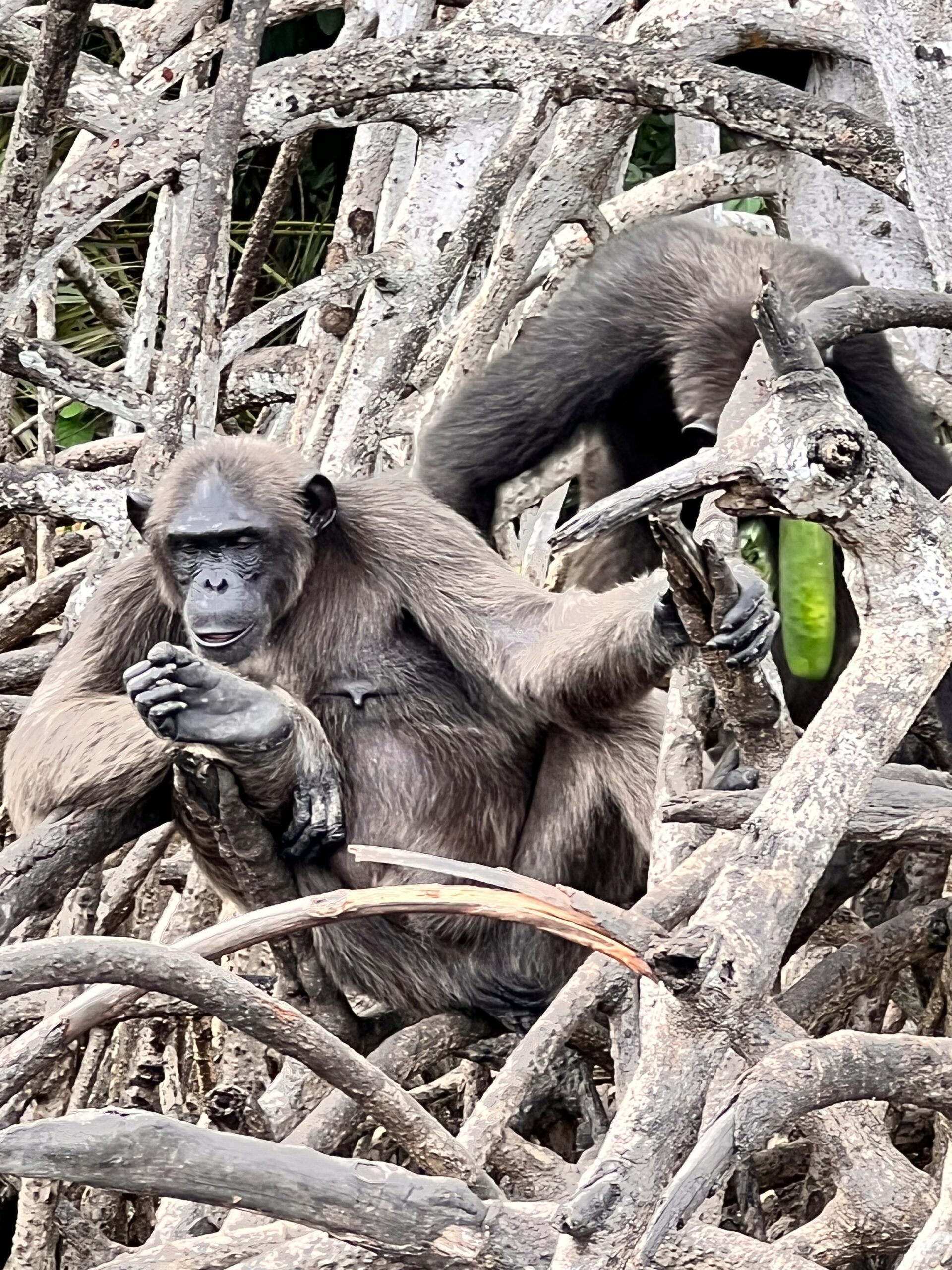
The city is also a useful base for learning about the wider natural environment of Central Africa, that includes tropical forests, river systems, and a wide range of wildlife. However, you should not expect to see wild animals in the city itself.
If you are interested in nature, ask your local tour operator about day trips outside Brazzaville.
Travel tip: Bring sun protection and drinking water, and check local conditions before planning outdoor activities.
See the City from a Different Angle
Brazzaville’s location beside the Congo River makes it interesting to explore from different viewpoints. Depending on local conditions and available services, you may be able to enjoy river views from public areas, restaurants, or a guided outing.
Boat travel in the region can be useful, but it should not be treated as a casual activity without planning. River conditions, transport rules, border requirements, and service availability may affect what is possible.
Kinshasa is directly across the river, but crossing into the Democratic Republic of the Congo is an international border crossing. You should not assume you can visit the other capital without the required travel documents, entry permission, and a suitable transport service.
Best experience: Enjoy the river views from Brazzaville first. If you want to visit Kinshasa as well, check current border rules and approved transport arrangements before making plans.
Best Time to Visit Brazzaville
Brazzaville has a tropical climate, with warm weather throughout the year. The main dry season generally is from around June to September, while the rainy season is usually strongest from about October to May. Rainfall and temperatures can vary as well, so these periods are guides rather than fixed rules.
The drier months may be more comfortable for walking around the city and planning outdoor trips. The wetter months can bring heavy rain, which may also affect traffic and travel outside the city.
Therefore, before booking, check the current local weather forecast and plan activities with some flexibility accordingly. Travelers planning to combine city sightseeing with wildlife experiences should also consider the seasonal conditions when organizing a Congo safari.
Frequently Asked Questions
1. What is Brazzaville famous for?
Brazzaville is famous for its location along the Congo River, its rich history, local art, lively music, and traditional Congolese food. It is also known for its close location to Kinshasa, the capital of the Democratic Republic of the Congo.
2. What are the best things to do in Brazzaville for first-time visitors?
First-time visitors can enjoy the Congo River views, visit the Basilique Sainte-Anne du Congo, explore local markets, see the Poto-Poto School of Painting, and learn about the city’s history at the Pierre Savorgnan de Brazza Memorial.
3. How many days are enough to visit Brazzaville?
Two to three days are usually more than enough to see some of Brazzaville’s main sights. You can visit famous places, try local food, explore markets, and enjoy the river views. A longer stay gives you more time to explore nearby areas as well.
4. What is the best time to visit Brazzaville?
June to September is generally considered a good time to visit Brazzaville because these months are usually drier. The weather stays warm throughout the year, though the rainy season can bring heavy showers and affect travel plans.
5. What food should visitors try in Brazzaville?
Visitors should try saka-saka, maboke, grilled fish, chikwangue, and plantains. These foods are popular in the region and are often served with local sauces or other side dishes.
For visitors interested in exploring more African destinations after their stay in Brazzaville, luxury African safari tours offer another travel experience to consider when planning a longer trip.