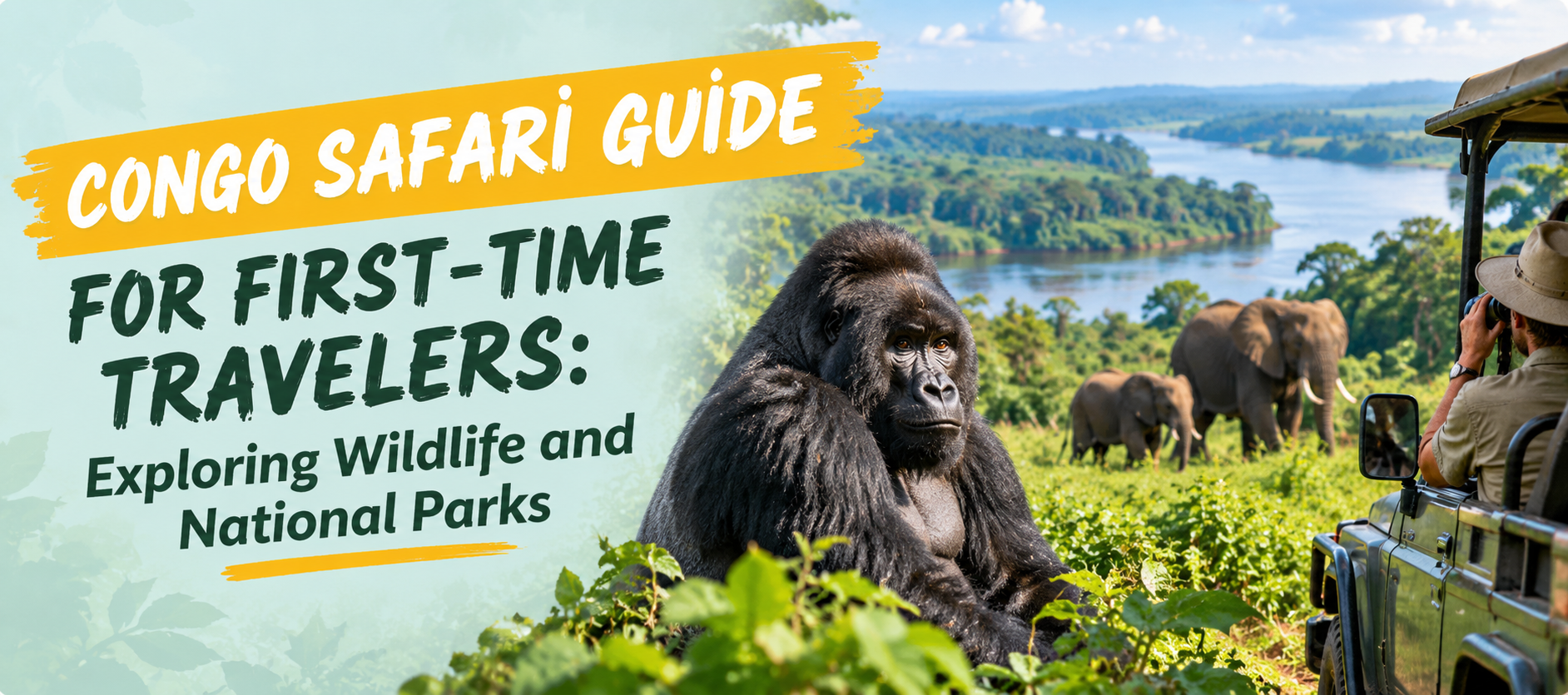

Congo Safari Guide for First-Time Travelers: Exploring Wildlife and National Parks
Planning your first Congo safari? Get ready for an adventure filled with green rainforests, amazing wildlife, beautiful rivers, and some of Africa’s most fascinating natural places. The Republic of the Congo, also known as Congo-Brazzaville, is a great destination for travelers who want to explore nature and experience something a little different from a traditional African safari.
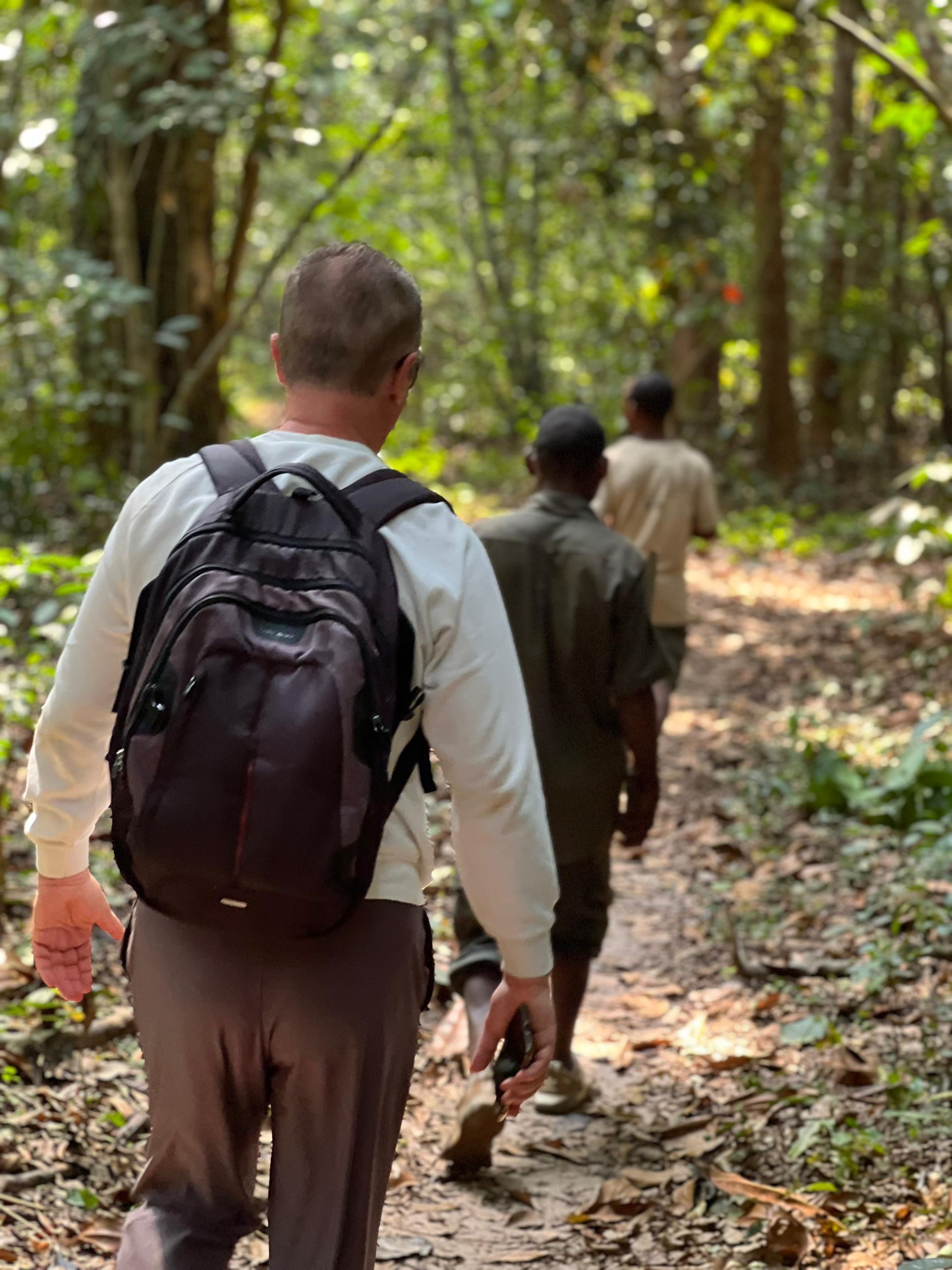
Unlike most of the safaris where you spend most of your time watching animals from a vehicle, a Congo safari tours can include walking through forests, watching elephants at forest clearings, exploring rivers, and learning about wildlife conservation as well. You may even have the chance to see western lowland gorillas in their own natural habitat.
Of course, visiting a remote destination takes some planning. You need to know where to go, when to travel, what to pack, and how to stay safe along the way. Though the journey may require extra preparation, the experience can absolutely be worth it.
This guide covers the basics to help first-time travelers enjoy the wildlife, national parks, and natural beauty of Congo with confidence.
Why Choose Congo for Your First Safari?
Congo is home to part of the Congo Basin which is one of the world’s major tropical rainforest regions. Its forests provide a home for western lowland gorillas, forest elephants, chimpanzees, birds, monkeys, and many other animals.
What makes this destination special is the feeling of exploring a natural world that is still wild in many places. Instead of focusing only on the famous animals found across Africa, you can discover the smaller details of forest life as well.
You might hear birds calling from the trees, spot butterflies near a forest path, or watch elephants visiting an open clearing. Every day can bring something different from the other.
As well as wildlife, Congo offers rivers, local communities, traditional food, and lively city life in places such as Brazzaville. You can combine nature activities with time to learn about the country’s culture.
However, Congo is not the easiest destination for every traveler. Some national parks are remote, transport options can be limited, and travel arrangements need to be confirmed in advance. For those who enjoy nature and do not mind a little extra planning, a Congo safari can be an amazingly rewarding experience.
Best National Parks to Explore in Congo
Choosing the right national park is one of the most important parts of planning your trip. Each protected area has its own landscapes, wildlife, and visitor activities.
Odzala-Kokoua National Park
Odzala-Kokoua National Park is one of the best-known wildlife destinations in the Republic of the Congo. Located in the northwest of the country, it protects a huge area of tropical rainforest, swamp forest, rivers, and open forest clearings.
The park is known for western lowland gorillas, forest elephants, buffaloes, antelopes, and a rich variety of birdlife.
One of its most interesting features is the bai, a natural clearing within the forest. These clearings can attract wildlife looking for food, water, and minerals. Visitors may be able to watch animals from designated viewing areas without moving too close to them.
Depending on your accommodation as well as itinerary, activities may include guided forest walks, gorilla trekking, boat trips, and wildlife watching from hides.
Odzala is remote, so you should arrange transport, accommodation, and guided activities before arriving. It is especially suitable for travelers who want to spend several days exploring the rainforest rather than rushing between attractions.
Nouabalé-Ndoki National Park
Nouabalé-Ndoki National Park is another important destination for wildlife lovers. It lies in northern Congo and protects a large area of rainforest with very little road development inside the park.
The forest is home to western lowland gorillas, chimpanzees, forest elephants, and hundreds of bird species. It is also an important area for scientific research and conservation.
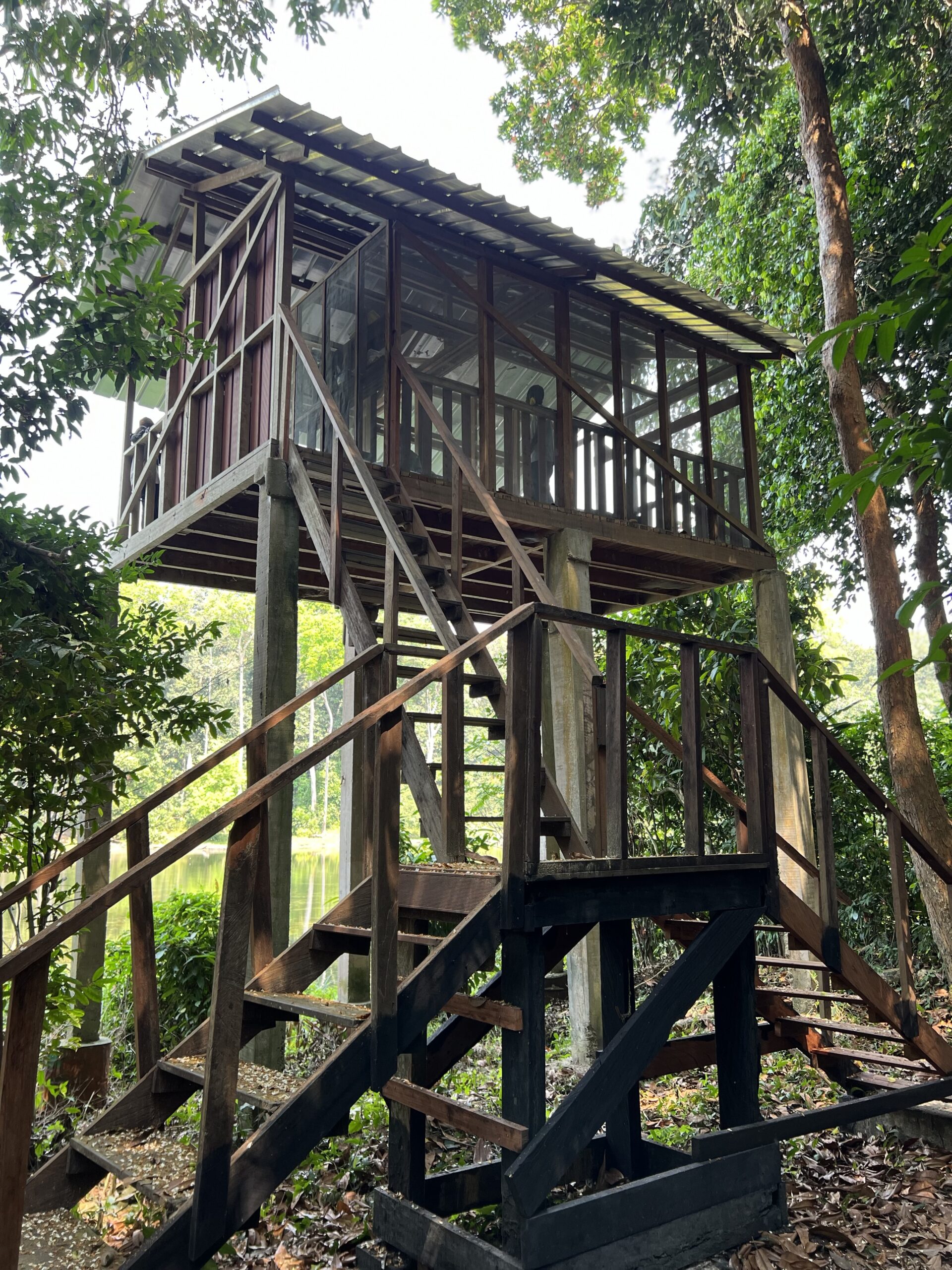
One popular wildlife-watching location is Wali Baï, a forest clearing that can be reached on foot from the village of Bomassa. From a viewing platform, visitors may be able to watch elephants and buffaloes gathering in the clearing.
Guided walks and boat activities can offer a closer look at the surrounding environment, depending on the arrangements available.
This park is a very good choice for travelers interested in quiet forest exploration and conservation. However, it is a bit far from Brazzaville, so you should allow enough time for transport and follow local guidance about access and safety.
Conkouati-Douli National Park
If you enjoy different landscapes, Conkouati-Douli National Park is worth learning about for you. Located in the southwest of the country, it includes coastal areas, forests, wetlands, and marine habitats.
Its wildlife includes forest elephants, chimpanzees, gorillas, and many bird species. Depending on the location and season, the wider coastal environment can also offer opportunities to learn about marine wildlife conservation.
The mix of forest and coastal scenery makes this park different from the large rainforest areas in northern Congo.
Visitor access and activities can vary, so arrange your visit with people familiar with the park. It may be suitable for travelers who want to explore more than one type of natural landscape during their Congo safari.
What Wildlife Can You See in Congo?
Congo has a quite impressive range of wildlife, though what you see will depend on the park, season, and amount of time you spend outdoors.
Western lowland gorillas are among the animals many visitors hope to see. These great apes live in forest habitats and spend much of their time feeding on fruit, leaves, and other plant material.
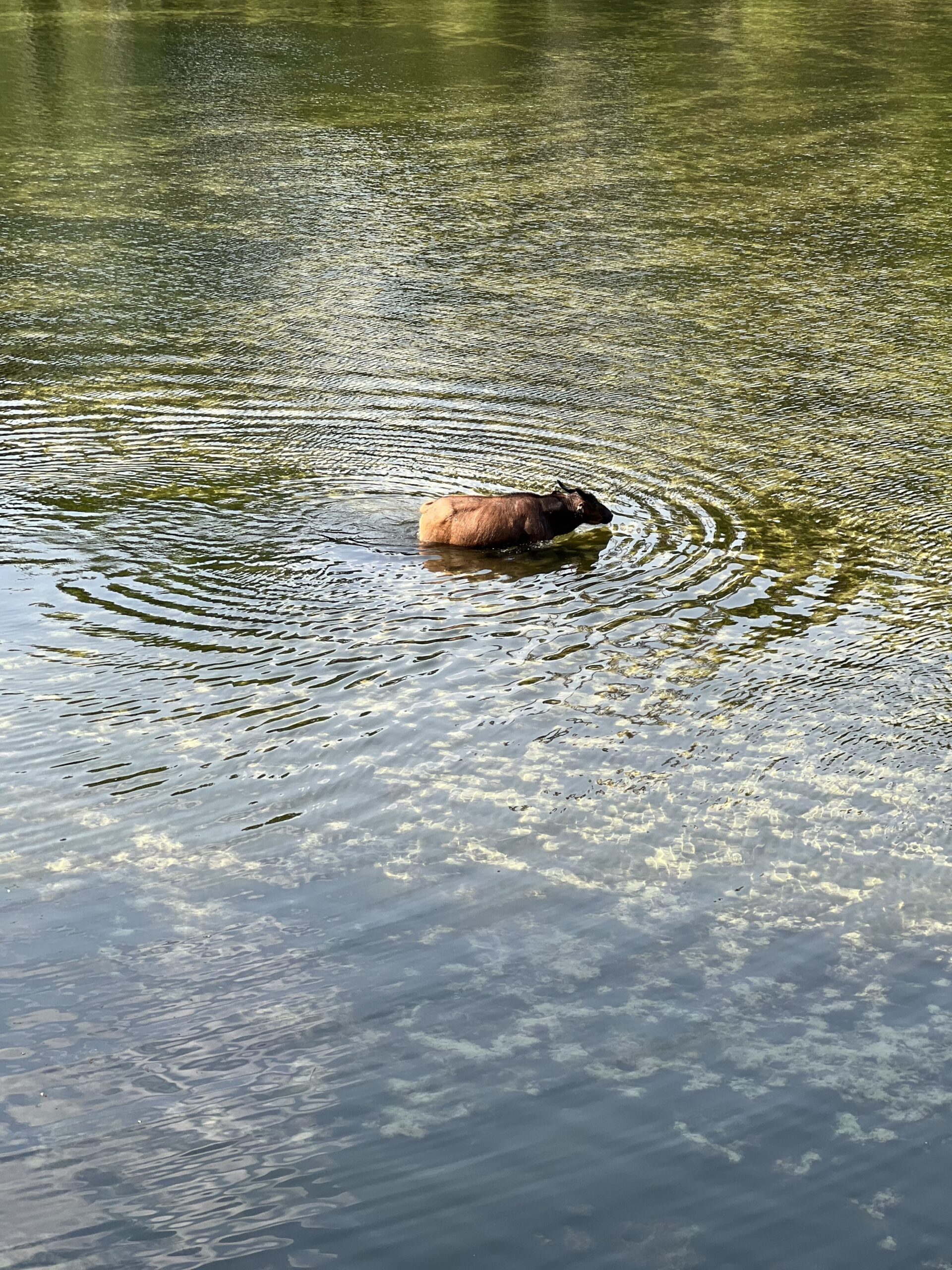
Forest elephants are another important species. They are smaller than African savanna elephants and live in dense Central African forests. You may have a chance to observe them around natural clearings where animals gather to feed or drink.
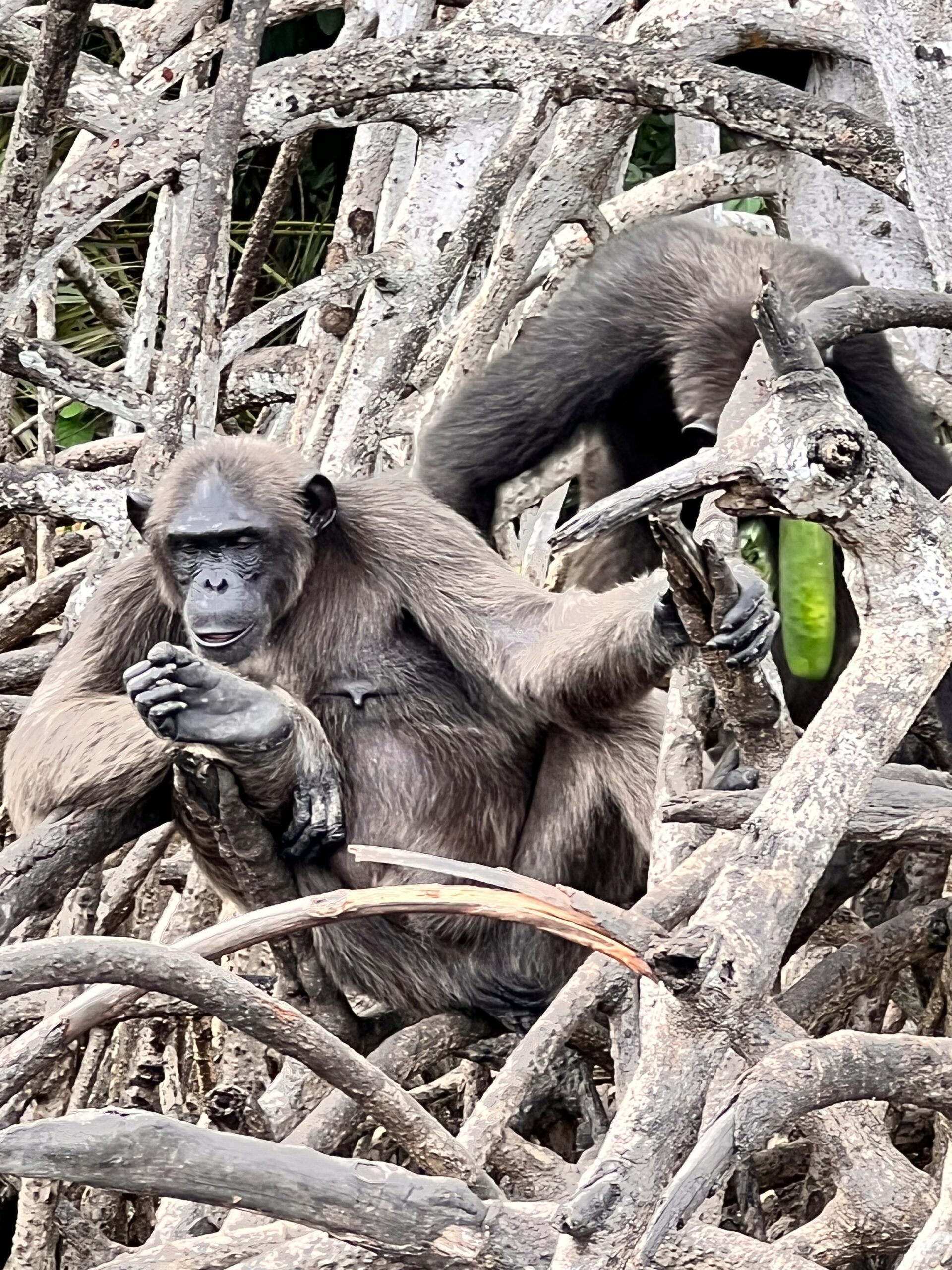
Other wildlife includes chimpanzees, forest buffaloes, antelopes, monkeys, and a wide variety of birds. Some species are shy, so spotting them can take patience.
Birdwatching is also another great activity for first-time travelers. Even when large mammals stay hidden, the sounds and colors of forest birds can make a walk exciting.
Remember that wildlife sightings are never guaranteed. A good safari is not just about ticking animals off a list. It is also about enjoying the landscape, learning from your guide, and appreciating the forest as a whole.
When Is the Best Time to Visit Congo?
The best time for your Congo safari depends a lot on the park you want to visit and the activities you plan to enjoy.
The country has a tropical climate, so warm temperatures, humidity, and rainfall are all part of the whole experience. The drier months can make some outdoor activities and road journeys easier, though weather conditions vary across the country.
In northern Congo, January to March is generally the dry season. June to September is another important dry period in many parts of the country. These months can be useful for planning wildlife trips, but local conditions should always be checked first before booking.
Rainy months have their own different kind of charm. The forest looks fresh and green, and birdlife can be especially interesting. However, muddy trails and wet roads may make travel more difficult.
For first-time visitors, the best approach is to ask your tour operator about the specific park, expected weather, and available activities. As well as checking the season, remember that wildlife movements can change, so no particular month guarantees animal sightings.
What Should You Pack for a Congo Safari?
Packing the right things can make your trip much more comfortable. You do not need to buy a whole new wardrobe, though a few practical items are definitely worth bringing and which includes the following:
- Choose shoes with a good grip for muddy trails and uneven ground.
- Long trousers and long-sleeved shirts help protect your skin from insects and scratches.
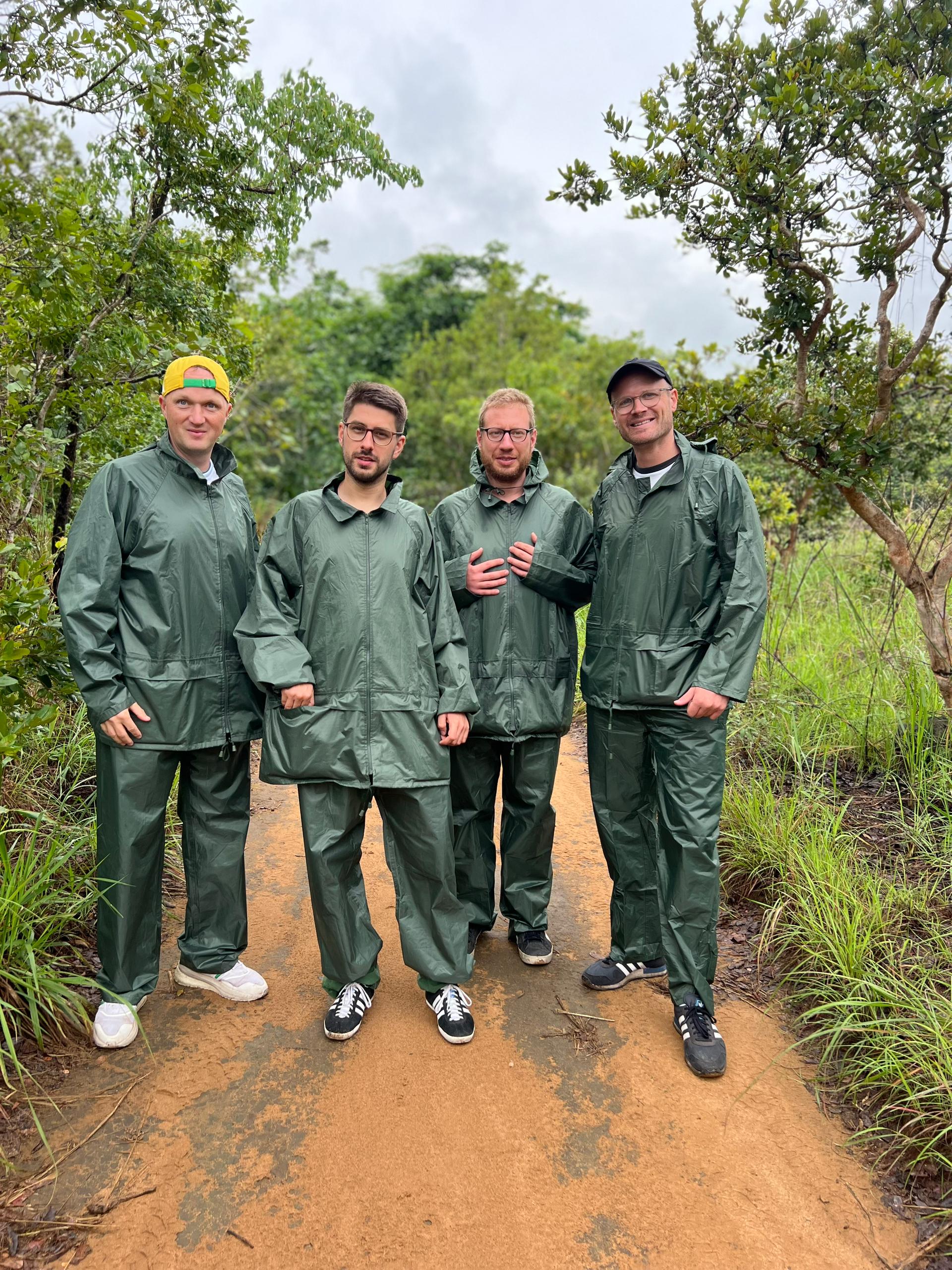
- Tropical weather can change quickly, so keep a lightweight waterproof layer handy.
- Mosquitoes are present in Congo, including in remote forest areas.
- Sunscreen, sunglasses, and a hat are a must for outdoor activities.
- Carry drinking water and follow your guide’s advice about safe drinking water.
- These can help you enjoy wildlife sightings without getting too close to animals.
- Bring the medicines you need and a small first-aid kit.
Health and Safety Tips for First-Time Travelers
Traveling to Congo for a safari can be quite interesting but be sure to do the right preparations when traveling long distances.
Before you travel, it’s a good idea to talk to a doctor to find out what vaccinations are recommended, malaria prevention, and what health precautions you may need to take depending on your unique situation and entry rules in affect.
Travel insurance is also a very important part of planning your trip. Make sure your insurance covers the activities you plan to do as well as any medical treatment and evacuation that may be needed during your trip.
You should also check current travel advice for the exact areas you plan to visit. Security conditions can vary by region, and some areas may have travel restrictions or additional risks.
In towns such as Brazzaville and Pointe-Noire, take care of your belongings and avoid walking alone after dark. For journeys outside cities, use reliable transport and arrange travel through people who understand local conditions.
Inside national parks, always follow your guide’s instructions. Never approach, feed, or touch wild animals. If you are visiting gorillas, follow all health and distancing rules, as human illnesses can put these animals at risk.
Good preparation does not remove every risk, though it can make your journey safer and less stressful.
How to Plan Your Congo Safari
The very first step is deciding what you want most from your trip. Do you want to see gorillas, watch forest elephants, explore rainforests, or enjoy a mix of wildlife and local culture?
Once you sort your priorities clearly, choose a suitable park and decide how many days you can spend there.
Remote destinations such as Odzala-Kokoua and Nouabalé-Ndoki require more planning than places closer to Brazzaville. Flights, road transfers, park access, and accommodation should be arranged before you travel.
When comparing safari packages, ask what the price includes. Check whether accommodation, meals, transport, park fees, and guided activities are covered. You should also understand the cancellation policy and what happens if bad weather affects your plans.
Do not try to fit too many activities into a short visit. Allow time for travel, rest, and unexpected changes. A relaxed schedule will help you enjoy your surroundings rather than worrying about reaching the next stop.
As well as planning your wildlife activities, consider spending some time in Brazzaville to experience local food, markets, and city life.
Respect Local Communities and Nature
A great Congo safari should be about more than wildlife photographs. It should also respect the people who live near the forests and help protect these landscapes.
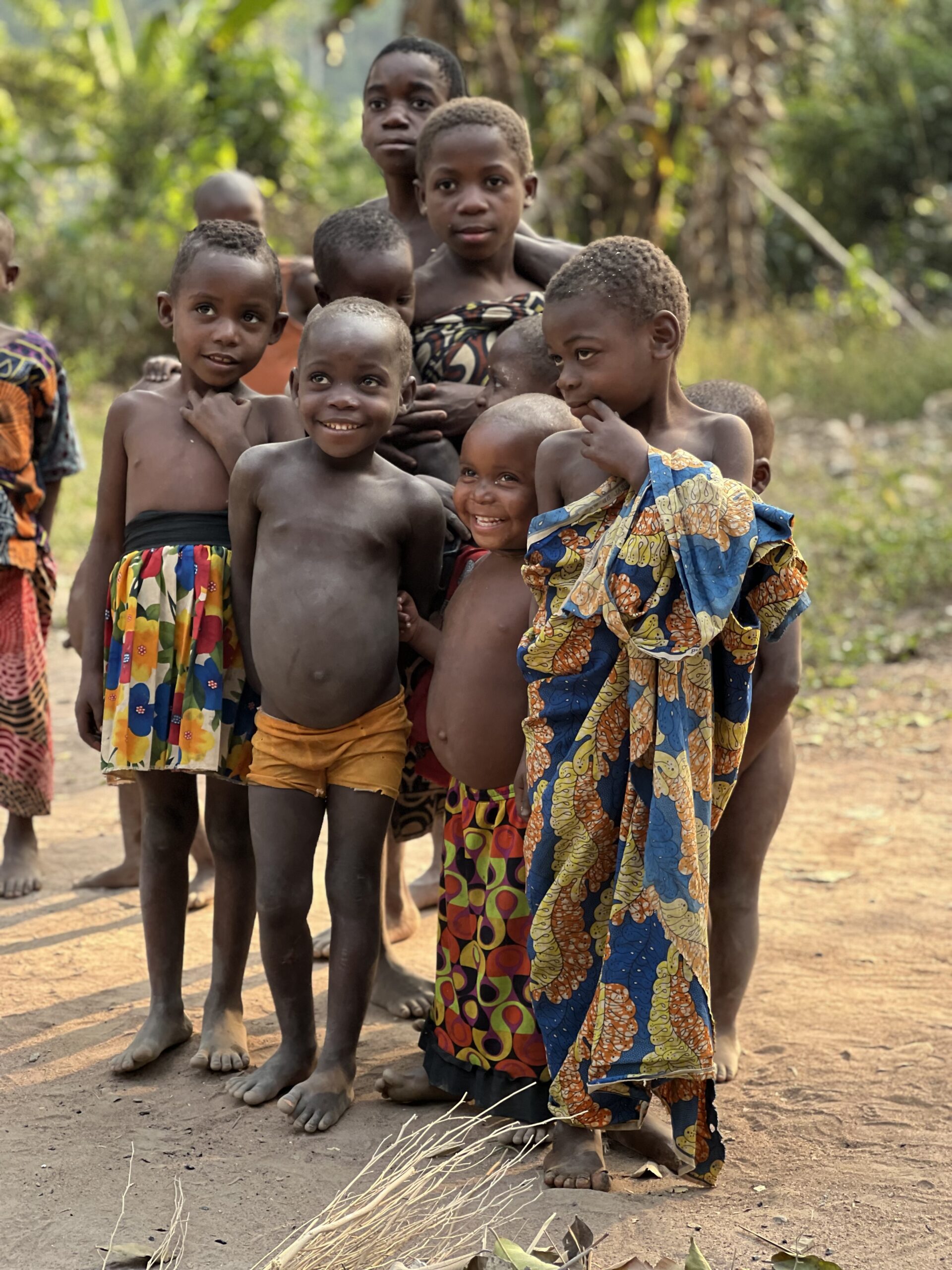
Choose responsible guides and tourism operators who respect park rules and support conservation. Listen to local advice, ask before photographing people, and be respectful of local customs.
Avoid leaving rubbish behind, disturbing animals, or collecting plants and other natural items. Small actions can make a difference when many visitors share the same environment.
Responsible travel can help support conservation work and create opportunities for people living near protected areas. It also helps make sure future visitors can enjoy these places.
FAQs
1. What is the best national park for a first Congo safari?
Odzala-Kokoua National Park is a great choice for first-time travelers who want to see gorillas, forest elephants, and beautiful rainforests. You can also enjoy guided forest walks and wildlife watching with local guides.
2. What animals can you see on a Congo safari?
You may see western lowland gorillas, forest elephants, chimpanzees, monkeys, buffaloes, and many birds. Wildlife sightings depend on the season, location, and time spent exploring the forest.
3. When is the best time to visit Congo for a safari?
The drier months are often better for wildlife trips and outdoor activities in Congo. However, weather conditions vary by park, so check local advice before booking your safari.
4. What should I pack for a Congo safari?
Pack comfortable walking shoes, long-sleeved clothes, a rain jacket, insect repellent, sunscreen, and personal medicines. These items can help keep you comfortable and protected during forest walks and wildlife activities.
5. Is Congo safe for first-time safari travelers?
You can enjoy a safer safari by checking travel advice, arranging reliable transport, and choosing experienced local guides. Follow park rules, take health precautions, and always listen to your guide’s safety instructions.