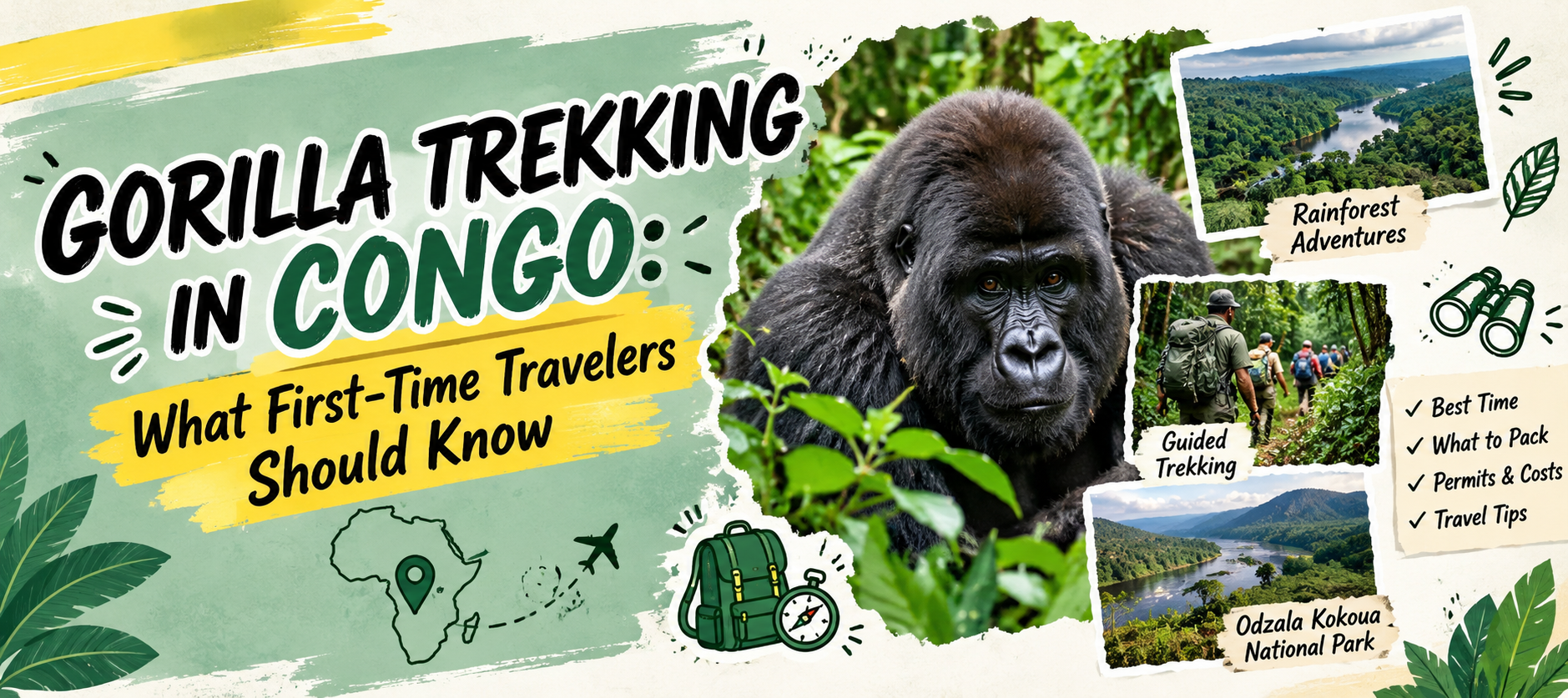

Gorilla Trekking in Congo: What First-Time Travelers Should Know
Gorilla trekking in Congo is a wonderful way to discover Africa’s rainforests and learn about one of its most fascinating animals. You’ll get to walk through green forest, hear birds in the trees, and watch gorillas as they feed, rest, or move through their natural surroundings. For all the nature lovers, this can be a truly memorable wildlife experience.
Unlike a traditional safari, where visitors often watch animals from a vehicle, gorilla trekking may involve walking through forest paths with trained guides. The journey can be challenging because of mud, heat, and thick plants, though the chance to observe gorillas makes the effort worthwhile for many travelers.
The Republic of the Congo, also known as Congo-Brazzaville, is home to western lowland gorillas and large areas of tropical rainforest. It offers a different kind of gorilla safari Africa is known for, with opportunities to explore forest wildlife and learn about conservation.
If you are planning your first visit, understanding the destinations, weather, safety rules, and travel arrangements will help you prepare. Here is what you should know before starting your Congo adventure.
What Makes Gorilla Trekking in Congo Special?
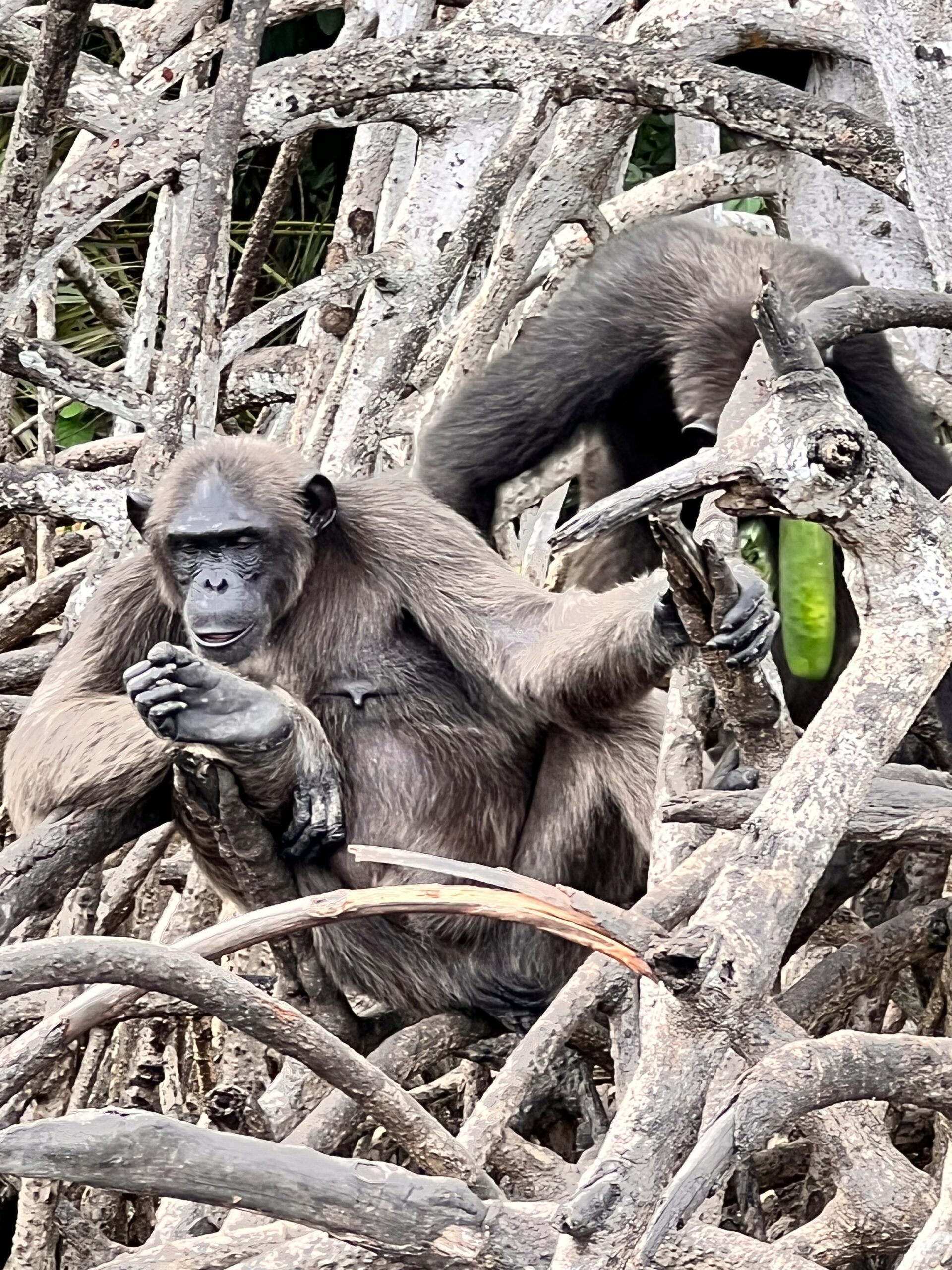
Gorilla trekking in Congo gives travelers a chance to learn about western lowland gorillas, which live in the forests of Central Africa. These gorillas are different from mountain gorillas, which are found in parts of East and Central Africa.
Western lowland gorillas live in tropical forests where they find fruit, leaves, stems, and other plant foods. They usually live in family groups and communicate through sounds, movements, and body language.
One of the best parts of a gorilla encounter is seeing how these animals behave naturally. You may watch them feeding, resting, or interacting with other members of their group. Every encounter is different, and sightings are never guaranteed.
A Congo gorilla safari is also about the forest itself. You may notice colorful birds, butterflies, interesting plants, and other wildlife along the way.
As well as offering an exciting adventure, responsible gorilla tourism can support conservation efforts and create opportunities for local communities. This makes the journey more meaningful than simply taking photographs of wild animals.
Understand the Difference Between the Two Congos
Before booking your trip, remember that there are two different countries called Congo.
The Republic of the Congo, also called Congo-Brazzaville, has its capital in Brazzaville. It is home to destinations such as Odzala-Kokoua National Park and the Lesio-Louna Gorilla Reserve.
The Democratic Republic of the Congo, often called the DRC or Congo-Kinshasa, is a separate country with different wildlife destinations, travel requirements, and security conditions.
This difference is important to consider when arranging flights, accommodation, permits, and guided activities as well. You must always check the full country name on your itinerary and travel documents.
If your main interest is western lowland gorillas in the Republic of the Congo, make sure your tour operator understands exactly which destination you want to visit.
Where Can You See Gorillas in Congo?
The Republic of the Congo has several important places for gorilla conservation and wildlife observation. However, each destination offers a different experience, so it is worth understanding your options before booking.
Odzala-Kokoua National Park
Odzala-Kokoua National Park is one of the country’s best-known wildlife destinations. It protects a large area of tropical rainforest, along with wetlands and natural forest clearings.
The park is known for western lowland gorillas, forest elephants, and other wildlife. Depending on your itinerary and the activities available, you may get to explore forest trails or watch animals around open clearings.
Odzala is a remote destination, so travel arrangements need much careful planning. Visitors should always confirm accommodation, transport, guiding services, and the type of gorilla experience offered in advance before making a booking.
For travelers who want to explore a large rainforest landscape, Odzala can truly be an excellent choice.
Lesio-Louna Gorilla Reserve
Lesio-Louna is another important destination for people interested in gorillas. Located within reach of Brazzaville, it is known for conservation and the rehabilitation of rescued and orphaned western lowland gorillas.
The reserve works to give gorillas affected by hunting and illegal wildlife trade opportunities to recover. Its conservation activities aim to help them return to a more natural life where possible.
However, Lesio-Louna is not the same as a traditional wild gorilla trekking destination. A visit may focus more on rehabilitation and conservation than tracking wild gorillas through dense rainforest.
Therefore, before visiting this gorilla sanctuary, you must confirm the current visitor rules as well as available activities. Access may depend on conservation priorities and the welfare of the animals.
If you prefer a remote forest adventure, Odzala-Kokoua may suit you better. If you are interested in gorilla rehabilitation and conservation closer to Brazzaville, Lesio-Louna may be worth considering for you.
What Is Gorilla Trekking Really Like?
Your experience will depend on the destination, weather, terrain, and location of the gorillas.
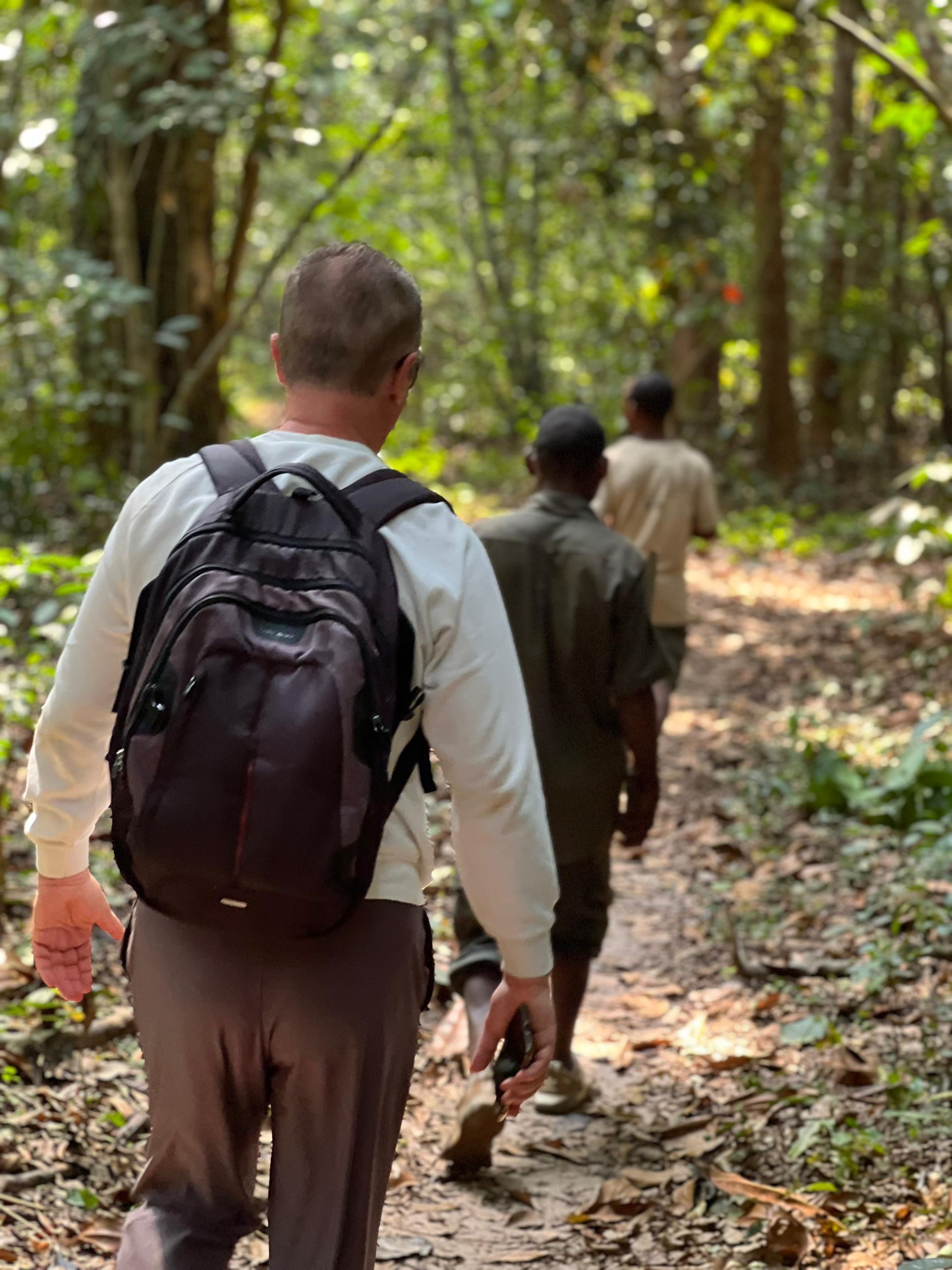
A trekking day may begin early, with instructions from your guide before you enter the forest. You might walk along narrow paths, pass through thick vegetation, or cross damp and muddy ground.
Some walks are relatively easy, while others require more time and physical effort. The heat and humidity can make even a short walk tiring.
When you find gorillas, your guide will explain how to observe them safely. You may see them feeding, resting, moving through plants, or interacting with their group.
The experience requires patience most of all. Gorillas are wild animals, and they do not follow a schedule for visitors. You may need to wait quietly, and there is always a possibility that you will not see them.
Remember that a gorilla encounter is not only about taking pictures. Watching these animals calmly and learning about their behaviour can be just as rewarding as well.
Best Time for Gorilla Trekking: Western Lowland Gorillas
The weather can affect your comfort, travel time, and access to remote areas. The Republic of the Congo has a tropical climate, with warm temperatures and rainfall throughout the year.
The main dry season in much of northern Congo generally falls between June and September. These months can be a practical choice for travelers because some roads and forest paths may be easier to use.
During wetter periods, trails can become slippery, transport may take longer, and dense vegetation can make walking more difficult. However, the rainforest can look especially green and lively after rain.
The drier months are probably the best time to travel for most first-time tourists, especially those willing to visit remote forest areas.
Still, the best time for gorilla trekking western lowland gorillas depends on more than the weather. The destination, available guides, conservation rules, and gorilla movements all matter.
So before settling on travel dates, one should check with the tour operator regarding local conditions and activities at your chosen reserve. Weather patterns can vary between locations, so do not assume that conditions around Brazzaville will be the same as those in Odzala-Kokoua.
How Difficult Is Gorilla Trekking in Congo?
Gorilla trekking does not always require advanced hiking skills, though you should be prepared for uneven ground and warm weather.
Some visits involve limited walking, while remote forest activities may require several hours on foot. Mud, humidity, tree roots, and thick plants can make the journey more demanding than expected.
You can prepare by taking regular walks before your trip. Comfortable hiking shoes, basic fitness, and enough rest will help you a lot to feel more confident.
If you have mobility needs or are unsure about your fitness, you can discuss this with your tour operator before booking. Ask about the expected walking time, terrain, steep sections, and available support.
What Should You Pack for Your Congo Safari?
Packing the right items can make rainforest trekking more comfortable. So keep these things in mind:
- Choose shoes with good grip and a secure fit and wear them before your trip to avoid blisters.
- Long trousers and long-sleeved shirts can protect your skin from insects, scratches, and plants.
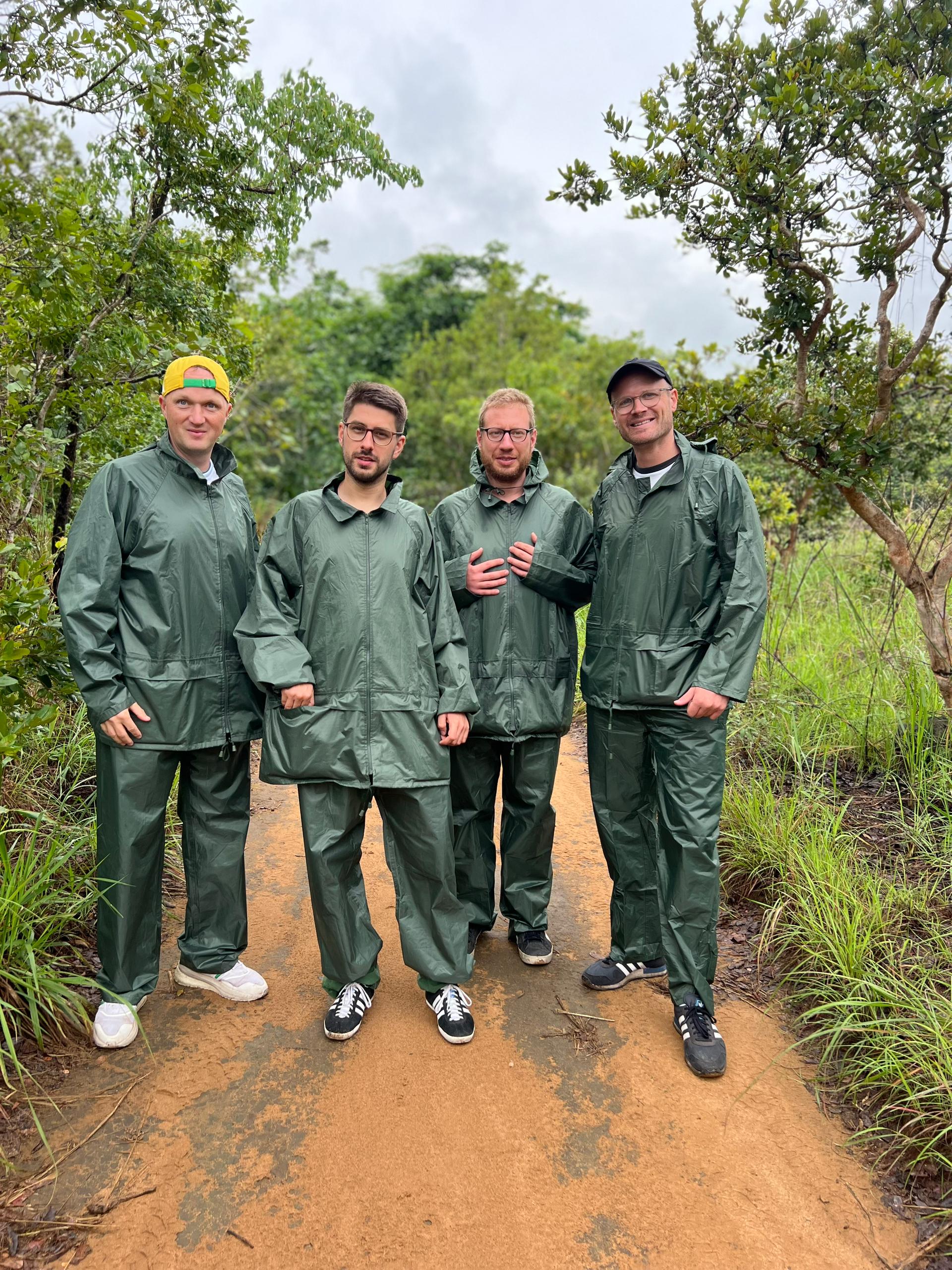
- Bring a lightweight waterproof jacket and a cover for your backpack. Rain can arrive even during the drier season.
- Mosquitoes and other biting insects may be present, so pack suitable protection accordingly.
- Carry water according to your guide’s advice and the length of your walk.
- Protect your devices from rain and humidity, and follow all photography rules.
- Bring any medicines you need and a small supply of basic first-aid items.
Responsible Gorilla Trekking Rules
Responsible gorilla trekking tours should put animal welfare first. Visitors must respect the animals and avoid disturbing their natural behaviour.
Follow the instructions given by your guide and the reserve. Rules may include maintaining a minimum viewing distance, limiting the time spent near gorillas, and keeping noise low.
Never surround a gorilla, block its path, or move closer for a photograph. Do not leave rubbish behind, and avoid actions that could damage the forest.
If you have a cough, fever, or other signs of illness, inform your guide and follow the reserve’s advice. Human illnesses can pose a risk to gorillas.
Be cautious of any tour that promises touching/close contact/guaranteed photographs with wild gorillas. A responsible wildlife experience should never put an animal under pressure in any situation just to entertain visitors.
Frequently Asked Questions
1. What is the best time for gorilla trekking in Congo?
The drier months are often a good time for gorilla trekking in Congo, as forest trails and travel routes may be easier to manage. However, weather conditions vary by region, so check with your tour operator before choosing your travel dates.
2. Where can you see gorillas in Congo?
Odzala-Kokoua National Park is a well-known destination for western lowland gorillas. You can also visit Lesio-Louna Gorilla Reserve to learn about gorilla rescue and conservation. However, the experience is different at each place, so check which activities are available before booking.
3. Is gorilla trekking in Congo difficult for beginners?
Gorilla trekking can be easy or challenging, depending on the location and forest conditions. Some walks involve muddy trails, thick plants, and uneven ground. Wearing comfortable hiking shoes and preparing with regular walks can help you enjoy the experience.
4. What should I pack for gorilla trekking in Congo?
Pack comfortable walking shoes, lightweight long-sleeved clothes, a waterproof jacket, insect repellent, drinking water, and a small backpack. You should also carry personal medicines and protect your phone or camera from rain and humidity.
5. Is gorilla trekking in Congo safe for travelers?
Gorilla trekking can be a rewarding experience when planned carefully. Travel with experienced guides, follow wildlife safety rules, and check current travel advice before your trip. Keep a safe distance from gorillas, never touch or feed them, and follow your guide’s instructions throughout the visit.