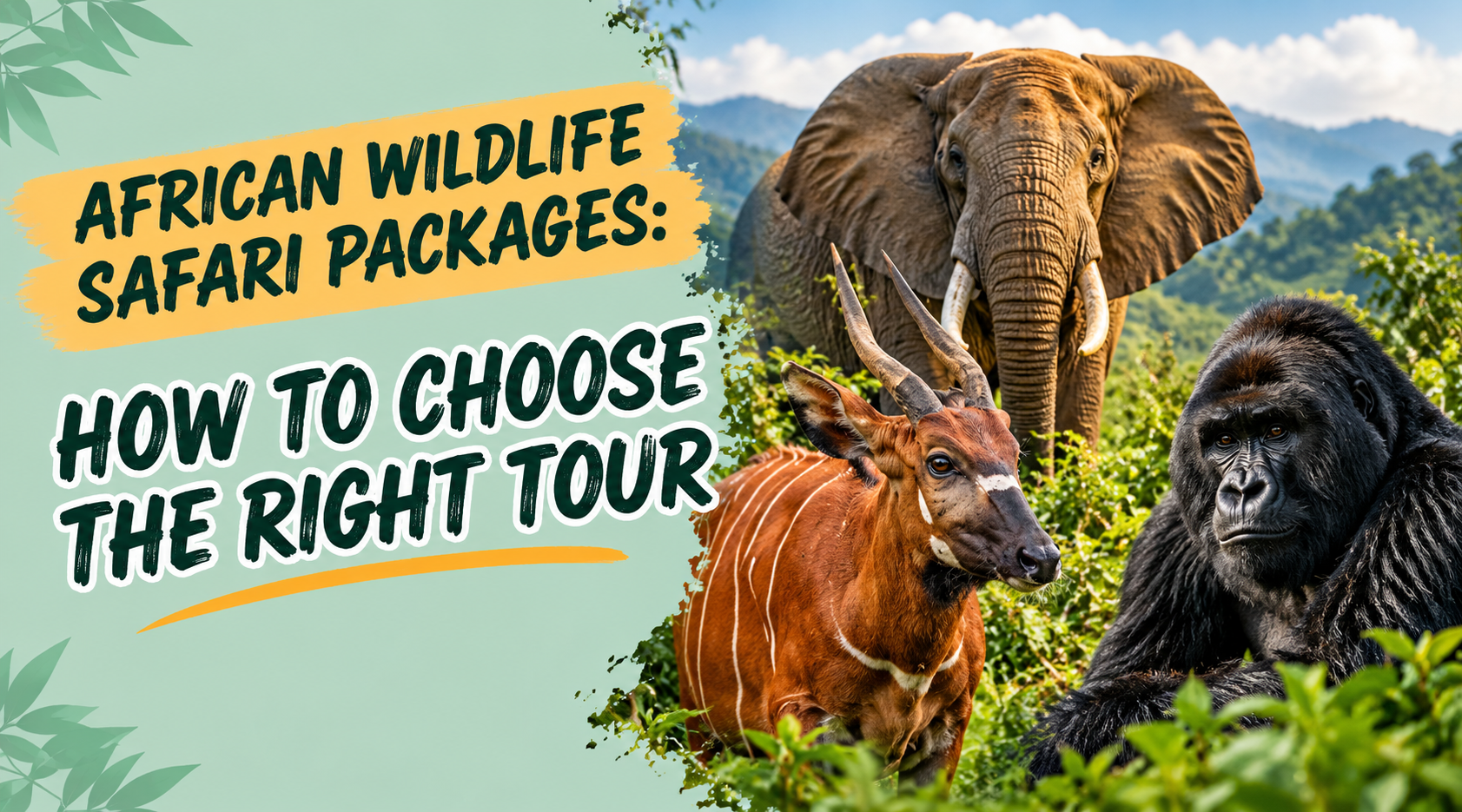

African Wildlife Safari Packages: How to Choose the Right Tour
An African Wildlife Safari is pretty much an exciting way to experience wildlife, nature, and local landscapes. You might start by watching elephants in their natural habitat, and then later you can catch a glimpse of lions, giraffes, zebras, and other animals too. A safari like this can turn into a memorable travel experience, even if you didn’t plan it that way at first.
That said, choosing the right safari package can be tricky because tours vary in destination, duration, lodging, activities, and price. This guide talks through the main things to weigh up before you book an African Wildlife Safari.
What Is an African Wildlife Safari?
An African Wildlife Safari is, basically, a guided trip for seeing animals up close where people travel through protected areas like national parks, game reserves, or conservation zones. In many cases the safari also involves game drives, walking tours, boat rides, and other nature activities; it really depends on the place and the local rules too.
Different African countries offer their own particular wildlife mood and experience. Kenya and Tanzania are famous for huge wildlife numbers and for the Great Migration. South Africa has a broad menu of safaris, including Kruger National Park , so it feels kind of versatile.
Choose the Right Safari Destination
Picking a destination should be among your first decisions, because it sort of sets the tone for everything else later. Each country comes with its own mix of wildlife, scenery, and activities, plus travel conditions that feel a bit different depending on the season or routes.
Kenya
Kenya tends to be a really popular option for people who want big, open landscapes and wildlife up close. The Maasai Mara, for example is well known for its big cats and those seasonal movements of animals.
Tanzania
Tanzania brings together a few key wildlife hotspots, especially the Serengeti and the Ngorongoro Conservation Area. It also ranks high for travelers who care about the Great Migration, since it’s tied in with that whole yearly rhythm.
South Africa
South Africa offers a range of safari styles. Kruger National Park is one of the most recognized places for wildlife in the country, and if you want more, the private reserves can add extra guided safari options, with a slightly different feel.
Botswana.
Botswana is often described in terms of wildlife plus wetland environments. The Okavango Delta gives you a safari experience that’s a bit more watery, where water-based activities can be possible in the right areas, and at the right time.
Namibia
Namibia mixes wildlife watching with really dramatic landscapes. Etosha National Park is a major wildlife destination, while other regions lean toward desert scenery and natural settings that feel pretty unique.
Decide What Animals You Want to See
Your wildlife priorities should nudge your destination choices and also the travel dates, not just the basic itinerary. If you really want lions, elephants, leopards, rhinos, or even buffalo, then look into which places have strong numbers of those animals. Keep in mind that wildlife itself stays unpredictable, so plan accordingly. No ethical tour operator can promise you will spot a particular animal on a specific game drive,.
Consider the Best Time to Travel
The right travel season really depends on where you’re going and what you actually want to get out of the whole trip. In many places, the dry season is a go-to, since wildlife viewing tends to be easier when animals hang around the few remaining water sources and the greenery is a bit less thick. Still, wet seasons can be pretty great too, because you get more lush, vivid surroundings, sometimes less crowding, and those neat seasonal animal moments you don’t always see in the drier months.
If your main aim is something like the Great Migration, then it’s smart to dig into how the animals shift their route across the year before you lock in your dates. And no matter what, check the latest local conditions, since weather rhythms can change a lot from one year to the next, even within the same destination.
Choose the Right Safari Length
Safari packages really can be anywhere on the spectrum from quick excursions to longer road trips, depending on how you look at it, you know, and how many places you want to hit. A shorter safari can be a smart choice if your vacation window is kind of tight. On the other hand , taking the longer route might let you wander through a wider variety of environments and watch wildlife at a calmer pace, instead of rushing every day.
If it’s your first time going, a multi-day package usually lands in that sweet spot between seeing animals and not spending all day in transit. And if you’re mixing safari with a seaside break or maybe another region, don’t forget to factor in the travel time between stops when you sketch out your schedule.
Select Your Accommodation
Safari accommodation can vary greatly.
Options may include:
- Safari camps
- Tented camps
- Lodges
- Hotels
- Luxury safari properties
Compare Safari Activities
A traditional game drive is one of the most common safari activities, but it is not the only option.
Depending on the destination, your package may include:
- Morning game drives
- Evening game drives
- Walking safaris
- Boat trips
- Birdwatching
- Cultural experiences
Check the Group Size
Group size really can affect how it feels, overall. When you take a larger group tour, it can sometimes turn out cheaper, and you might also stumble into conversations with other travelers. On the other hand , smaller groups can end up being more calm, and there’s often more flexibility, though it depends on the operator and how they run things.
Private safaris tend to give you better control over the route and timing, but they usually come with a bigger price tag. Before you decide anything, ask the tour company what’s the maximum number of people allowed in the safari vehicle is so you know what you’re signing up for.
Understand What the Package Includes
Do not compare safari prices based only on the advertised package cost.
Check whether the price includes:
- Accommodation
- Meals
- Park or conservation fees
- Transportation
- Airport transfers
- Professional guides
- Game drives
- Domestic flights, if required
Also check which costs are not included. Understanding the full price can help you avoid unexpected expenses.
Choose a Responsible Safari Operator
Responsible tourism is sort of an important part of choosing an African safari, honestly. It helps to look for operators that respect the animals, follow the park rules properly, and also support local communities instead of just rushing through everything. And try to avoid things that could seriously harm wildlife.
A responsible operator should, in addition, give up front clear information on safety, transport arrangements, where you will stay, and what exactly is in the safari package, like which activities are included and how they’re run.
Check Safety and Travel Requirements
Before traveling, check the current entry requirements for every country on your itinerary. This can be about passport validity; maybe you need visas, certain vaccinations, travel insurance, or other health-related requirements that pop up. Also, if you can, recheck again close to your departure date.
FAQs
Q1. What is the best African country for a wildlife safari?
There’s really no one best place for everyone, like, it depends on what you’re hunting for. Kenya, Tanzania, South Africa, Botswana, and Namibia , each have their own version of wildlife, plains, and basically different scenery.
Q2. How many days are enough for an African safari?
A few days can still feel like a solid start; you get the idea of the safari rhythm. But the ideal length changes by destination, budget, how much vacation time you actually have and if you plan to do more than one park, or just stay in one area.
Q3. What animals can I see on safari?
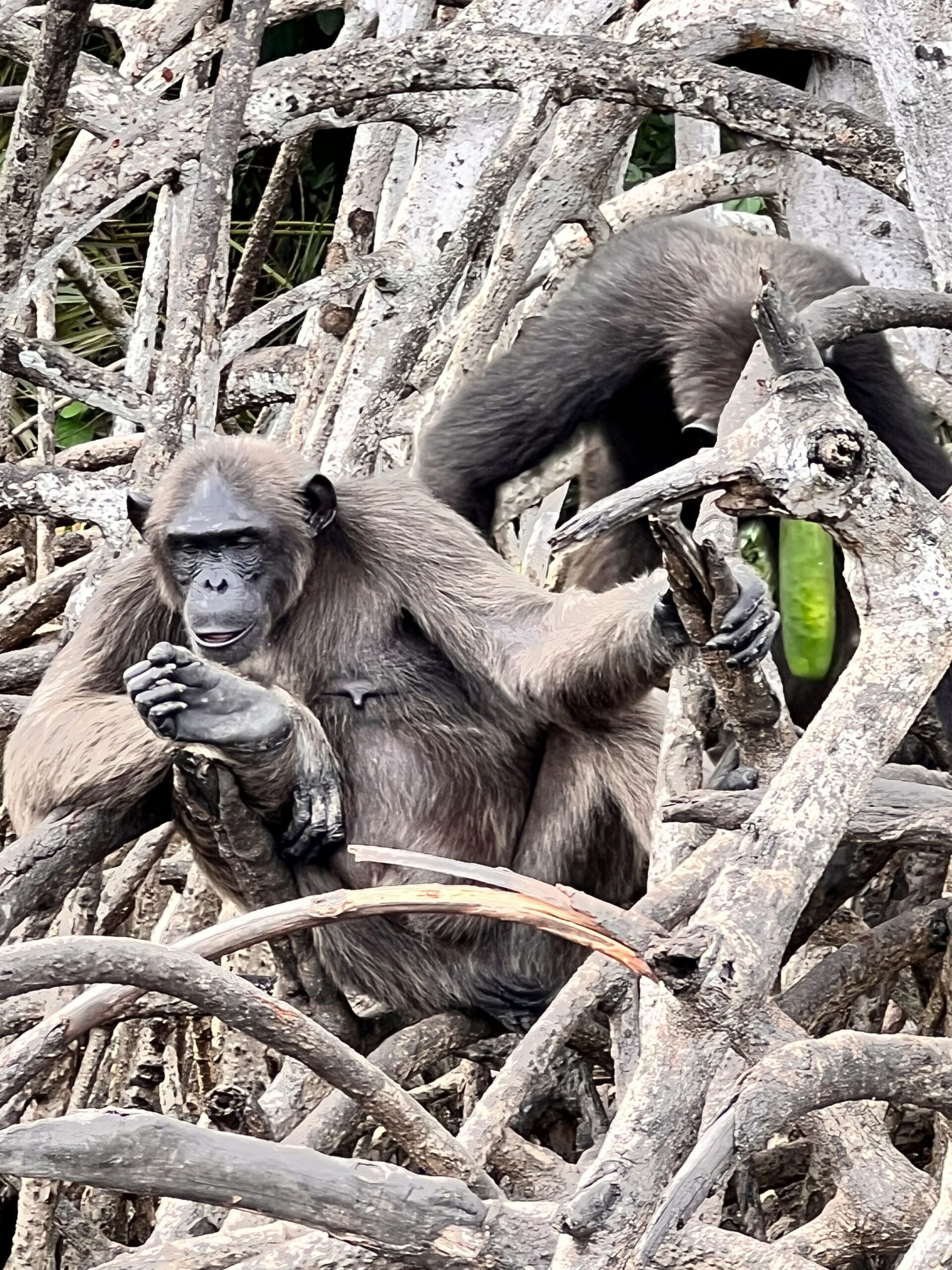
That depends on where you go, though many routes include elephants, lions, leopards, rhinos, buffalo, giraffes, zebras, hippos, crocodiles, plus a bunch of bird species too.
Q4. What should I look for in a safari package?
You should compare the destination and the travel dates, also accommodation, the group size, and the types of activities. Don’t forget transportation, how the guide services work, and what exactly comes included in the total cost.
Q5. Is an African safari suitable for first-time travelers?
Yes, absolutely. Lots of safari operators set up guided itineraries for first timers. Picking a reputable operator and just sticking to the guide’s instructions can make the whole thing easier, and also safer.
Conclusion
Picking the right African wildlife safari really starts when you know what you expect from it. Like, think about the animals you want to meet, your ideal destination, when you’re travelling, what kind of place you want to sleep in, plus the kinds of activities you’re after. Then there’s the whole budget factor, and also how long you want the trip to be, not just a quick run.
Also, do not just choose a package because it looks cheap. Instead, compare the full itinerary, what’s actually included, the group size, the safari operator reputation, and the safety arrangements. If you plan carefully, you can find a safari package that fits your travel vibe and gives you more chances to enjoy Africa’s wildlife plus those natural, sweeping landscapes.