
Congo Gorilla Trekking: Complete Guide to Gorillas, Permits, Cost, Latest 2026 Update
Congo Gorilla Trekking is a special wildlife adventure. It is in the Democratic Republic of the Congo. These are like pockets of forest that are safe. Travelers get to see Congo gorillas in these forests. The Congo Gorillas live in these forests naturally. But the real thing is, the full budget is usually way higher than just the gorilla permit. You’ve got to also factor in lodging and transport, plus visas, meals, licensed guides, porters, and all those other travel costs that sort of quietly stack up over time.
The Democratic Republic of the Congo (DRC) is home to Virunga National Park, one of Africa’s most remarkable protected areas and an important habitat for mountain gorillas. Virunga was established in 1925 and became a UNESCO World Heritage Site in 1979. The park’s landscape ranges from forests and savannahs to volcanic mountains, making it one of the continent’s most biologically diverse protected areas.
Why Is Congo Gorilla Trekking Special?
There are several reasons travelers are attracted to gorilla trekking in Congo.
1. Mountain Gorillas in Their Natural Habitat
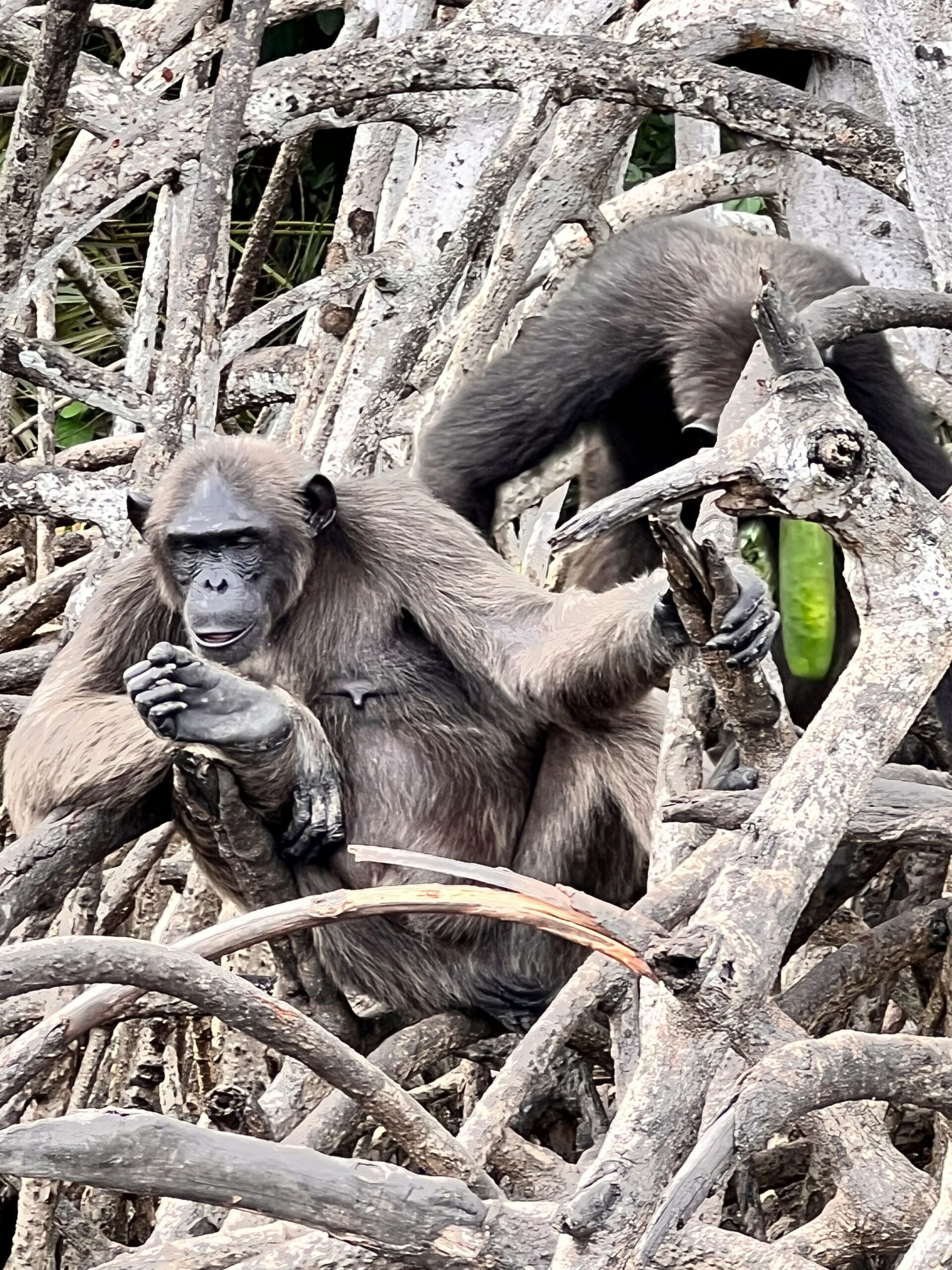
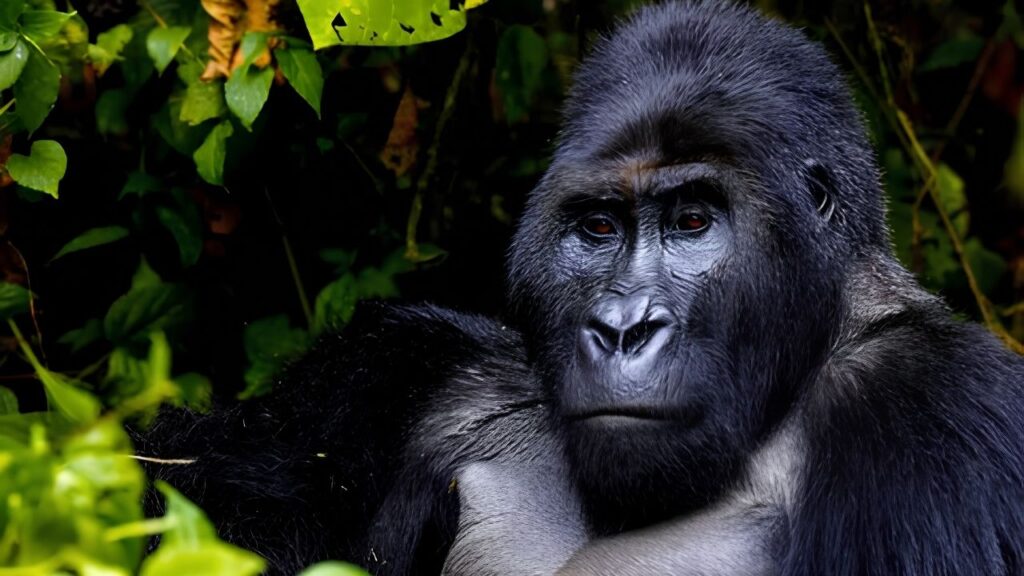
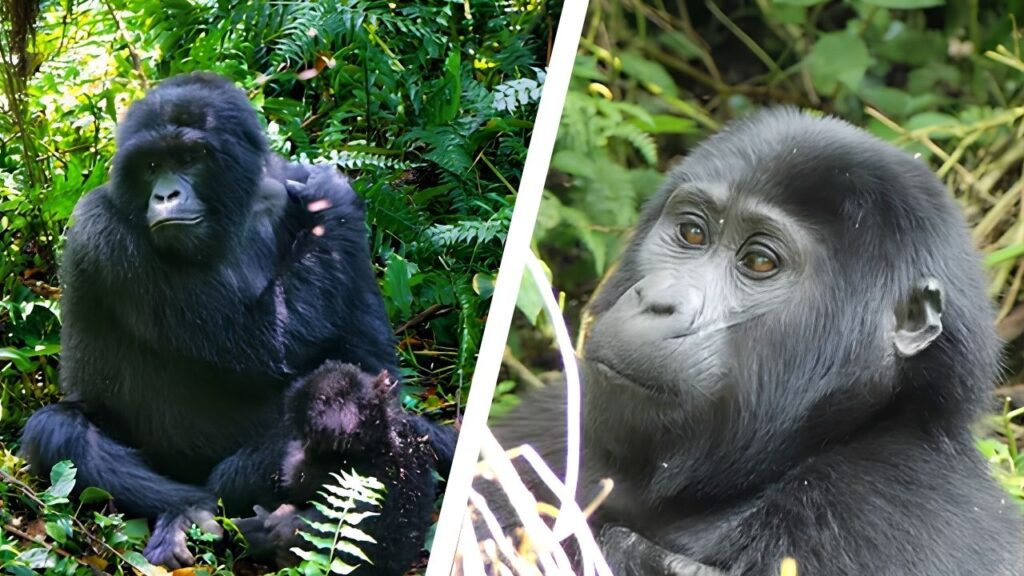
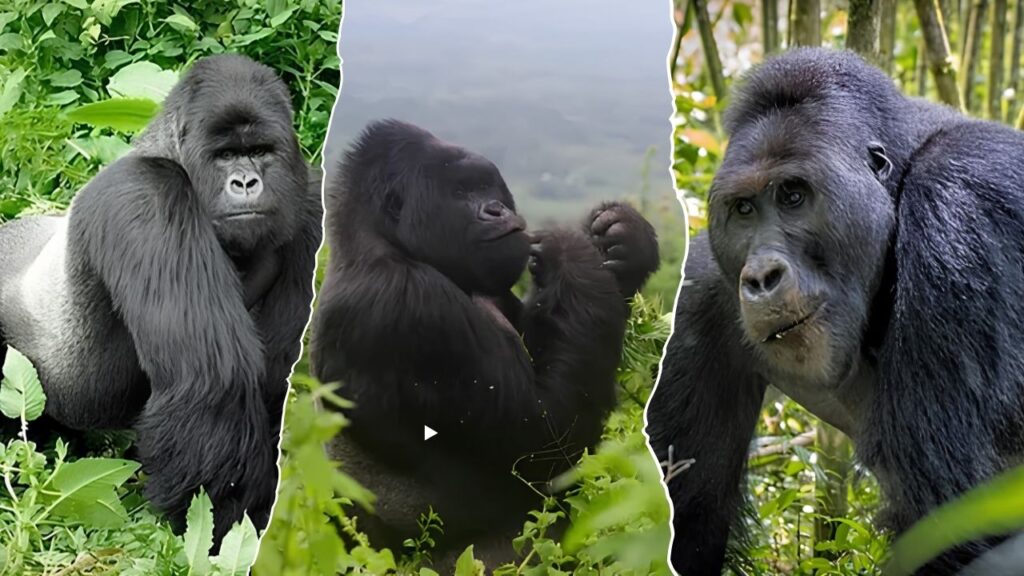
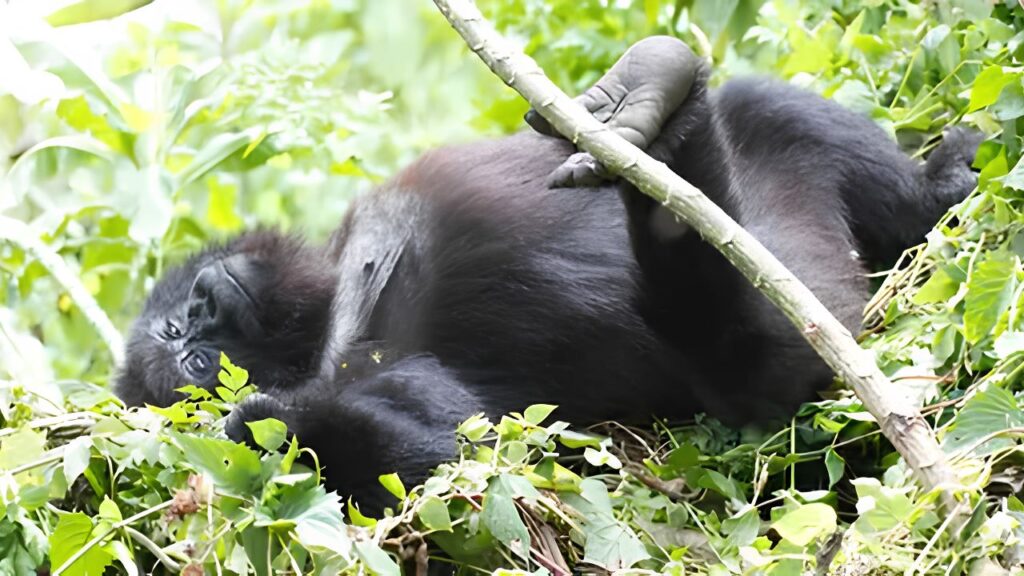
The biggest attraction is the opportunity to observe mountain gorillas in a natural forest environment.
Watching a gorilla family move through vegetation, feed, rest or interact with one another can be very different from a conventional wildlife safari.
2. Incredible Biodiversity
Virunga is not simply a gorilla destination. Its exceptional range of habitats supports a large variety of wildlife and plant species.
UNESCO records hundreds of bird species, more than 200 mammal species, and numerous reptiles, amphibians, and primates within the park.
3. Conservation Importance
Gorilla tourism is closely connected with conservation. Carefully managed tourism can contribute to the protection of wildlife and support communities and conservation activities surrounding protected areas.
4. A Unique African Adventure
Congo offers a very different travel experience from a conventional safari circuit. The combination of rainforest, mountains, volcanoes, and wildlife gives the destination a strong sense of adventure.
Congo Gorilla Trekking Tour Costs
Many travelers choose a tour package instead of arranging every part of the trip themselves.
A tour package may include:
- Gorilla trekking permit
- Accommodation
- Local transportation
- Park guide
- Meals
- Airport or border transfers
Congo Gorilla Trekking Permit
A gorilla permit is an essential part of a regulated gorilla trekking experience.
Traditionally, visitors have needed authorization before entering a gorilla trekking experience, with the permit helping authorities manage visitor numbers and protect gorilla groups.
The permit system also plays an important conservation role because controlled tourism helps limit pressure on the animals and their habitat.
Because current trekking operations can change, travelers should confirm:
- Whether trekking is open.
- Current permit availability.
- Current permit pricing.
- Booking procedures.
- Visitor limits.
- Required health measures.
- Current cancellation policies.
Do not purchase a permit from an unverified third party simply because an old blog lists a particular price.
How Does Congo Gorilla Trekking Work?
When trekking operations are open, the general process follows several stages.
Step 1: Check Current Conditions
Before planning anything, check the latest official information about park access, security and trekking availability.
This is especially important in eastern DRC, where conditions can change.
Step 2: Arrange Your Permit
Once trekking is officially available, arrange the required gorilla permit through an authorized channel.
Step 3: Prepare for the Trek
Wear suitable hiking clothing and footwear and prepare for rain, mud, insects, and uneven terrain.
Step 4: Attend the Briefing
Visitors receive instructions before entering the forest. These rules are designed to protect both travelers and gorillas.
Step 5: Trek Through the Forest
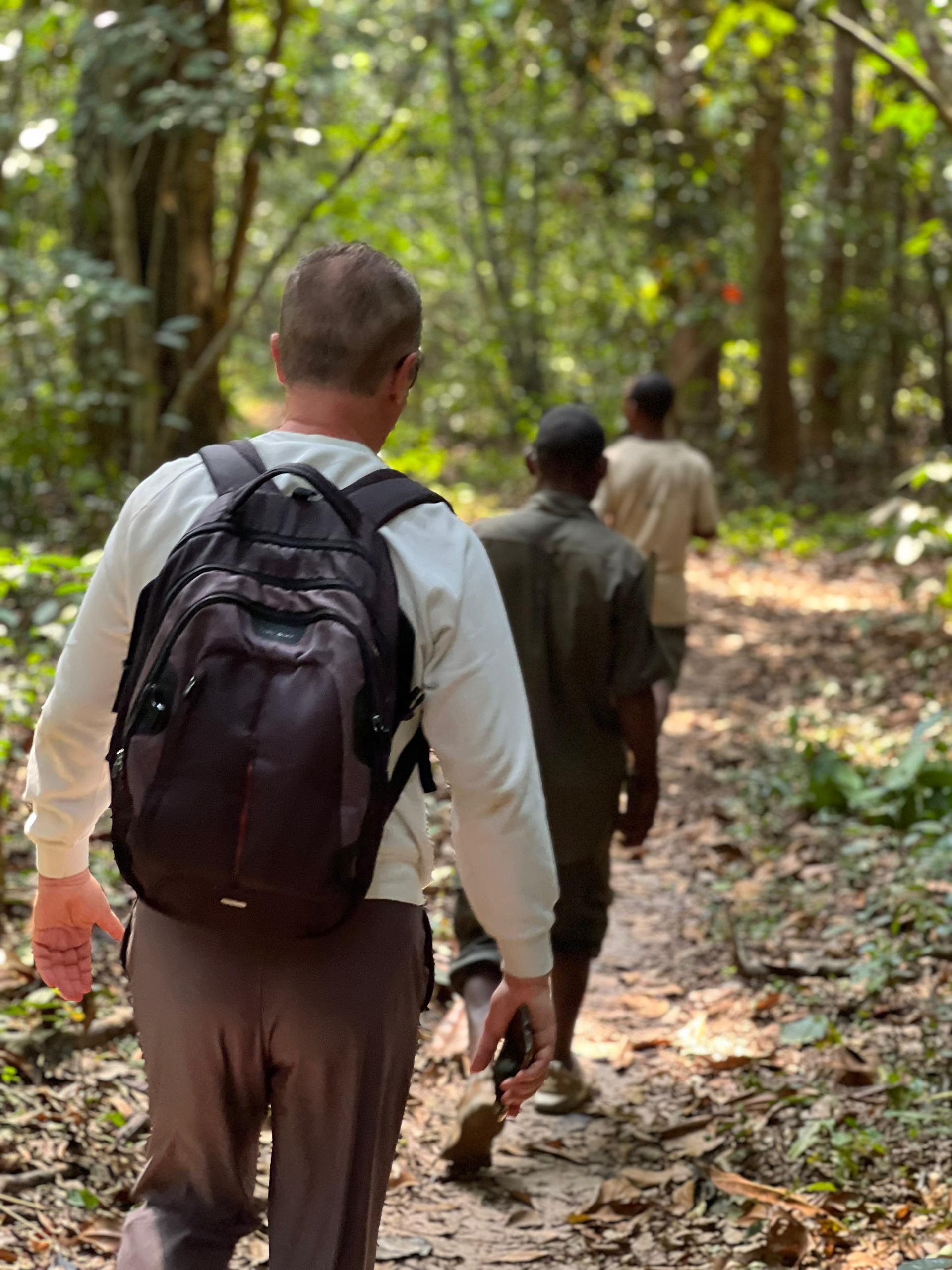
The trek begins with guides and rangers leading visitors through the gorilla habitat.
Virunga’s visitor information historically described treks as requiring approximately 1 to 2.5 hours of hiking each way, depending on where the gorilla group is located and the difficulty of the terrain.
Step 6: Observe the Gorillas
When the gorilla group is located, visitors observe them while following the instructions of the guides and rangers.
Step 7: Return From the Forest
After the permitted observation period, the group leaves the gorilla habitat and returns from the trek.
How Difficult Is Congo Gorilla Trekking?
Gorilla trekking is not simply a sightseeing activity. It can require genuine physical effort.
The difficulty can depend on:
- Terrain
- Slope
- Vegetation
- Weather
- Location of the gorilla family
- Trekking route
- Individual fitness
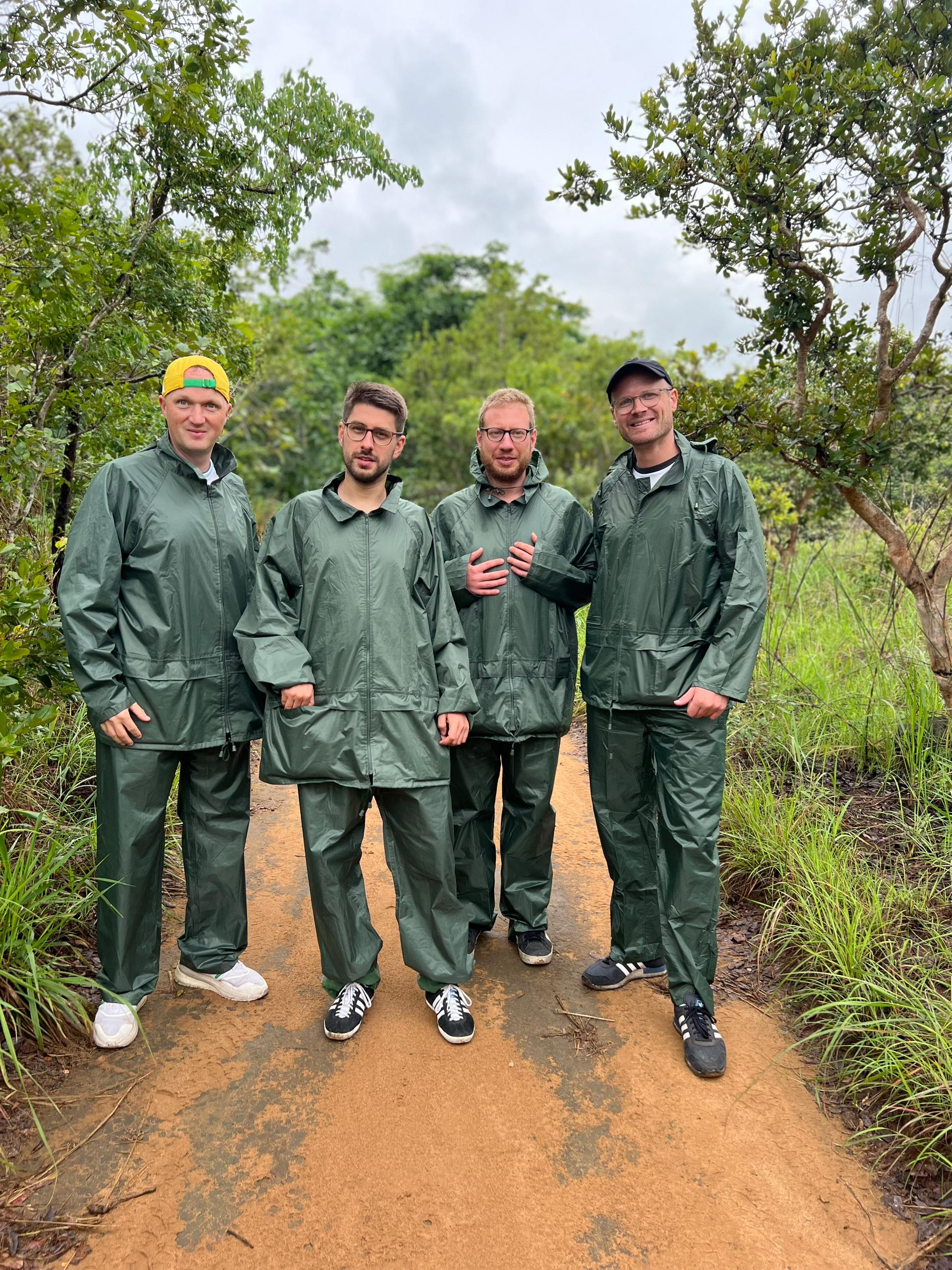
Virunga’s own guidance recommends good walking boots, trousers, long sleeves, and rain protection because trekkers may encounter thorns, rain, and insects.
If you regularly walk or hike, basic preparation can make the experience more comfortable. Before traveling, practice walking for longer periods and include some uphill walking if possible.
Congo Gorilla Trekking: Latest 2026 Update
This is the section travelers should pay particular attention to.
As of August 14, 2026, Virunga National Park’s official visitor website states that gorilla and Nyiragongo treks are closed until further notice.
That means travelers should not assume that a gorilla trekking itinerary advertised online is currently operating.
The wider DRC also remains subject to serious travel and health considerations. The U.S. Department of State’s July 15, 2026 advisory recommends against travel to the DRC, while WHO continues to publish updates concerning health emergencies in the country.
For future travel, the best approach is to monitor official Virunga updates and relevant government and health authorities rather than relying on old articles.
What Should You Pack for Congo Gorilla Trekking?
A practical packing list includes:
- Strong hiking boots
- Lightweight long trousers
- Long-sleeved shirts
- Waterproof jacket
- Extra socks
- Small day backpack
- Reusable water bottle
- Snacks
- Insect repellent
- Sunscreen
- Hat
- Camera
- Waterproof protection for electronics
- Personal medication
- Travel documents
- Hand sanitizer
Virunga’s visitor guidance specifically recommends trousers, long sleeves, long socks, good walking boots, a raincoat, water, snacks, and a camera.
Choose practical clothing rather than fashionable safari outfits. The forest environment can be wet and muddy.
Gorilla Trekking Rules and Safety Tips
Gorilla trekking is a wildlife experience, so visitor behavior matters.
Important principles include:
- Follow your ranger’s instructions.
- Never attempt to touch a gorilla.
- Never feed wildlife.
- Keep your voice low.
- Avoid sudden movements.
- Do not use flash photography where prohibited.
- Respect the required distance and observation rules.
- Do not visit gorillas if you are unwell.
- Follow all current park regulations.
Virunga states that mountain gorillas are susceptible to human illness and asks visitors who are feeling unwell to cancel or rebook. Its visitor information also states that surgical masks are provided for use around the gorillas.
The official park information has also historically listed a minimum age of 15 years for mountain gorilla visits. Because rules can change, confirm the current requirement before booking.
Is Congo Safe for Gorilla Trekking?
Safety deserves special attention when discussing the Congo Gorilla Trekking.
The Democratic Republic of the congo has experienced serious security and humanitarian challenges, particularly in parts of eastern DRC.
As of July 15, 2026, the U.S. Department of State lists the DRC at Level 4: Do Not Travel, citing health, crime, unrest, terrorism, and kidnapping risks.
Virunga itself says its management continuously assesses conditions and may temporarily close attractions if security concerns arise.
Therefore, travelers should not treat an old blog post or a tour advertisement as proof that a particular route is currently safe.
Before traveling, check:
- Your government’s latest travel advisory.
- Virunga’s official visitor information.
- Current health information.
- Current border and entry requirements.
- Your travel insurance conditions.
What Is the Total Congo Gorilla Trekking Cost?
There is no single price for a complete Congo Gorilla Trekking trip because costs depend on your itinerary.
Your overall budget may include:
- Gorilla permit
- Tour operator fees
- Accommodation
- Transportation
- DRC visa
- Meals
- Porter
- Travel insurance
- International flights
- Personal expenses
The best way to calculate your actual budget is to request a detailed quotation that clearly separates included and excluded costs.
Best Time to Plan Congo Gorilla Trekking
Kahuzi-Biega can basically be visited year round, but the park actually says the drier stretches of June to September and then December to February are more favorable for trekking. When the wetter months arrive, the forest footpaths may turn more slick and hard to walk on, so plans might feel slower.
Important Rules for Gorilla Trekking
Gorilla trekking has strict rules designed to protect both visitors and gorillas.
Visitors should:
- Follow the guide’s instructions.
- Keep the required distance from gorillas.
- Avoid loud noises and sudden movements.
- Never use flash photography.
- Avoid visiting when sick.
Congo vs. Uganda vs. Rwanda Gorilla Trekking
Travelers often compare Congo with Uganda and Gorilla Trekking Rwanda.
| Factor | Congo | Uganda | Rwanda |
| Main attraction | Mountain gorillas and wider Virunga ecosystem | Mountain gorillas and forest trekking | Mountain gorillas and organized trekking |
| Famous trekking area | Virunga National Park | Bwindi and Mgahinga areas | Volcanoes National Park |
| Landscape | Forests, mountains, and volcanoes | Dense forest and mountain terrain | Volcanic mountain landscape |
| Travel planning | Requires careful current-condition checks | Generally more established for tourism | Generally more established for tourism |
| Current Congo availability | The official Virunga site currently lists gorilla treks as closed until further notice. | Check current Ugandan authorities. | Check current Rwandan authorities. |
The comparison should not be reduced to price alone. Accessibility, security, trekking availability, travel infrastructure, and current regulations are equally important.
Pros and Cons of Congo Gorilla Trekking
Pros
- Exceptional mountain gorilla experience
- Outstanding natural scenery
- Major conservation importance
- Rich biodiversity
- Unique wildlife-focused adventure
- Opportunity to learn about Congo’s protected landscapes
Cons
- Current trekking availability can change
- Security conditions require careful monitoring
- Travel planning can be more complicated
- Health considerations require additional preparation
- Infrastructure may be less predictable than in more established safari destinations
Congo Gorilla Trekking: Myths vs Facts
| Myth | Fact |
| Gorilla trekking is an easy walk. | Terrain and weather can make trekking physically demanding. |
| You can touch the gorillas. | Visitors must follow strict wildlife-viewing rules. |
| Gorillas are naturally aggressive. | They are wild animals and should always be treated with caution and respect. |
| An old permit price is still valid. | Prices and availability can change. Always verify current information. |
| If a tour company advertises a trek, the park must be open. | Official park status should always be checked independently. |
FAQs
Q1. How much does Congo Gorilla Trekking cost?
At Kahuzi-Biega, the eastern lowland gorilla trekking permit, the one they publish, is US$400 for each person. But yeah, your real total budget will likely be more once you add lodging, travel, visas, meals, and those little “other” things people forget.
Q2. Is Virunga currently open for gorilla trekking?
Right now the official Virunga tourism website says gorilla treks and Nyiragongo treks too are closed “until further notice. “So before you plan anything, it’s smart to double-check the official park website for the newest situation.
Q3. Does the gorilla permit include accommodation?
Not always, no. In most cases, accommodation is a separate charge, unless it’s clearly folded into your tour package.
Q4. Do I need a porter?
You don’t strictly have to. A porter is optional, but they can carry your items during the trek which is honestly pretty helpful. At Kahuzi-Biega, porter fees are listed around US$10–20 per trek.
Conclusion
Congo Gorilla Trekking can turn into a totally unforgettable wildlife experience, but most travelers should plan for more than just the permit price. There are a bunch of other costs too, like lodging and comfort stays, transportation logistics, visa fees, daily meals, local porters, and the tour guidance services that come with the whole program; these can really shift the final budget. Also, it’s a good idea to confirm the latest park operating conditions before you actually book anything.